Loading page…
Loading page…
Safety nets protect balconies, ducts, terraces and windows from fall risk and bird entry across homes and buildings.
Quotation after site review · Material and spacing confirmed on measurement
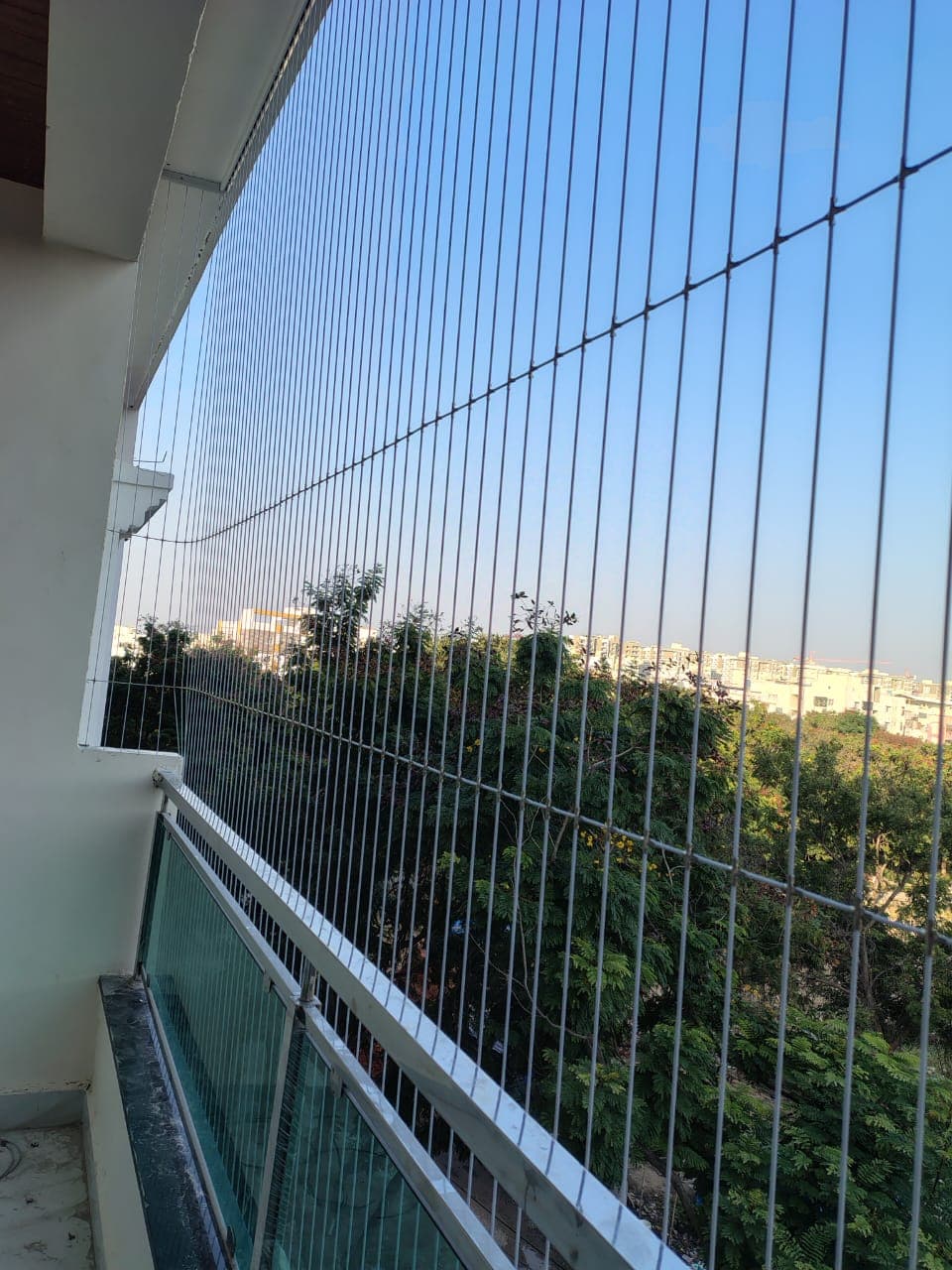
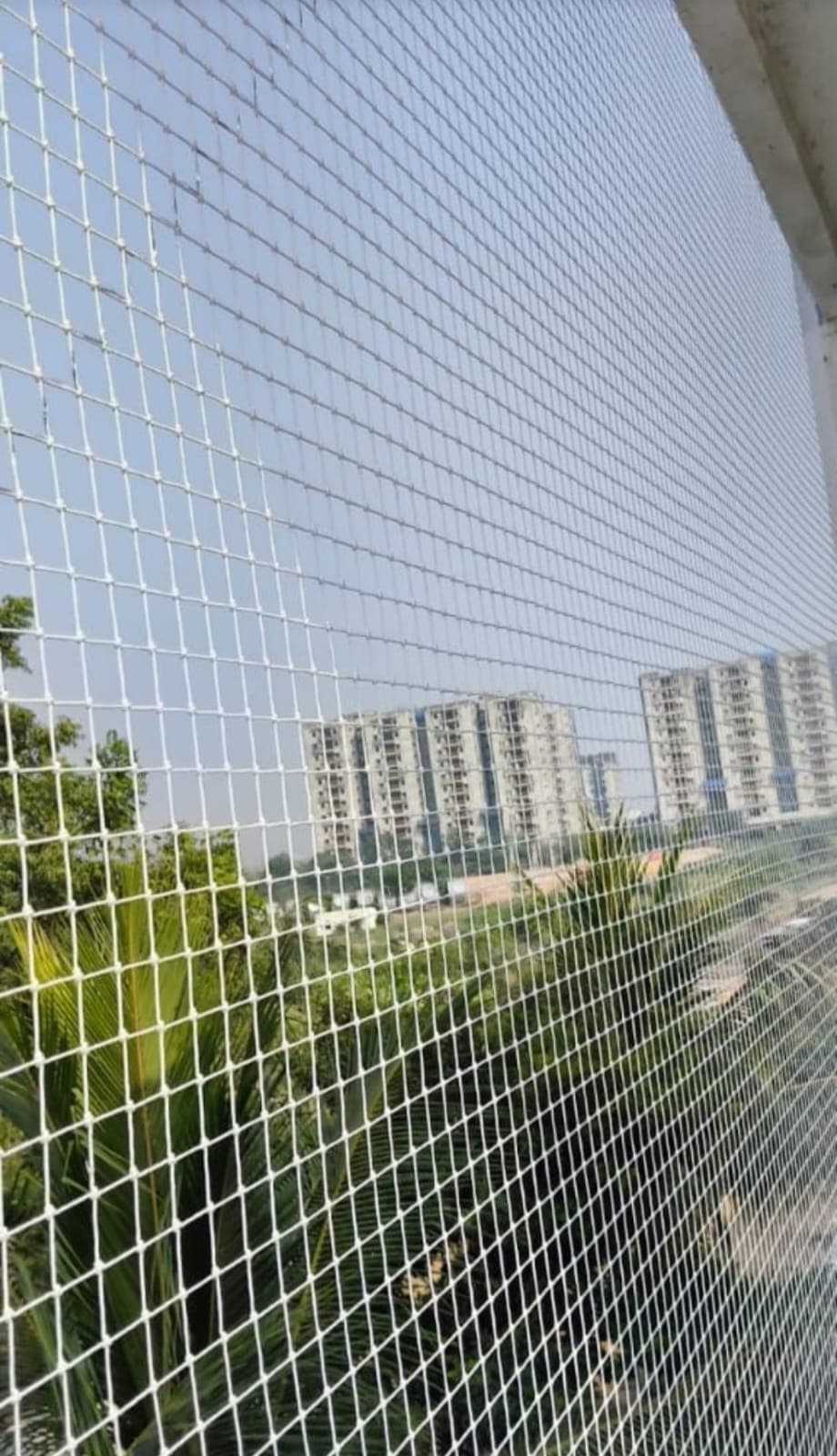
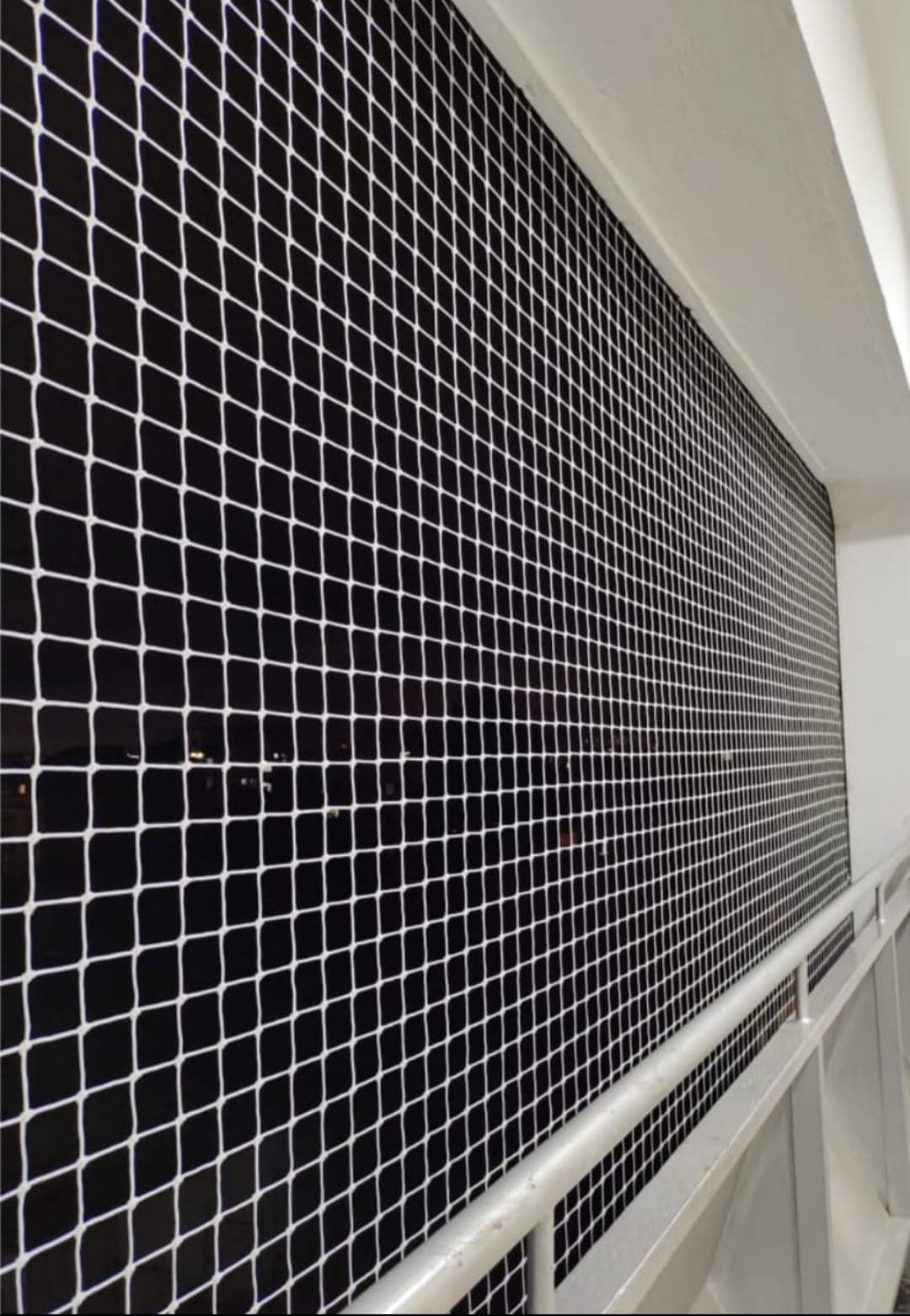
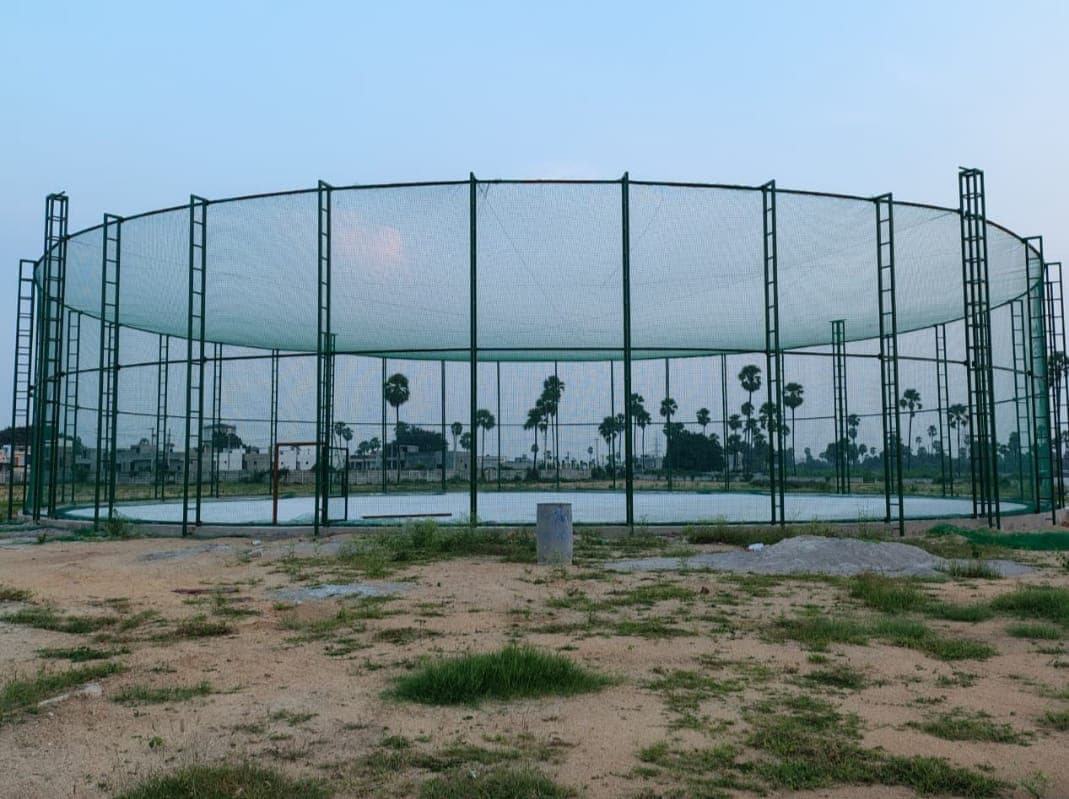
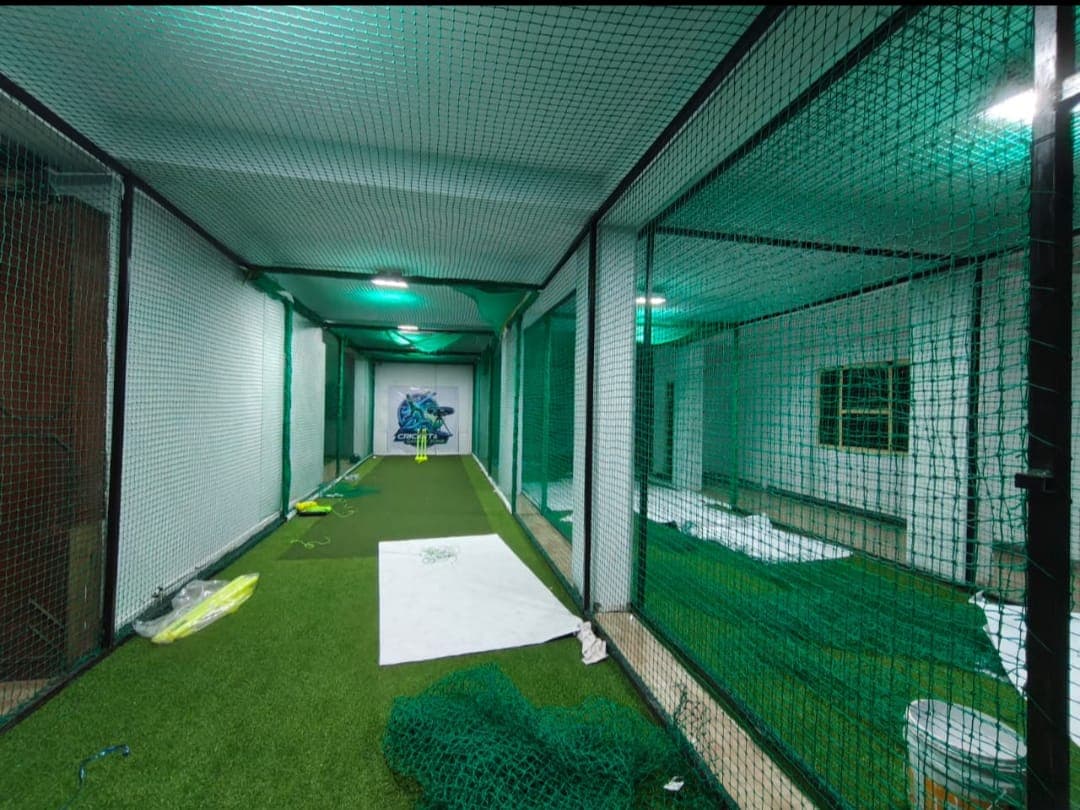
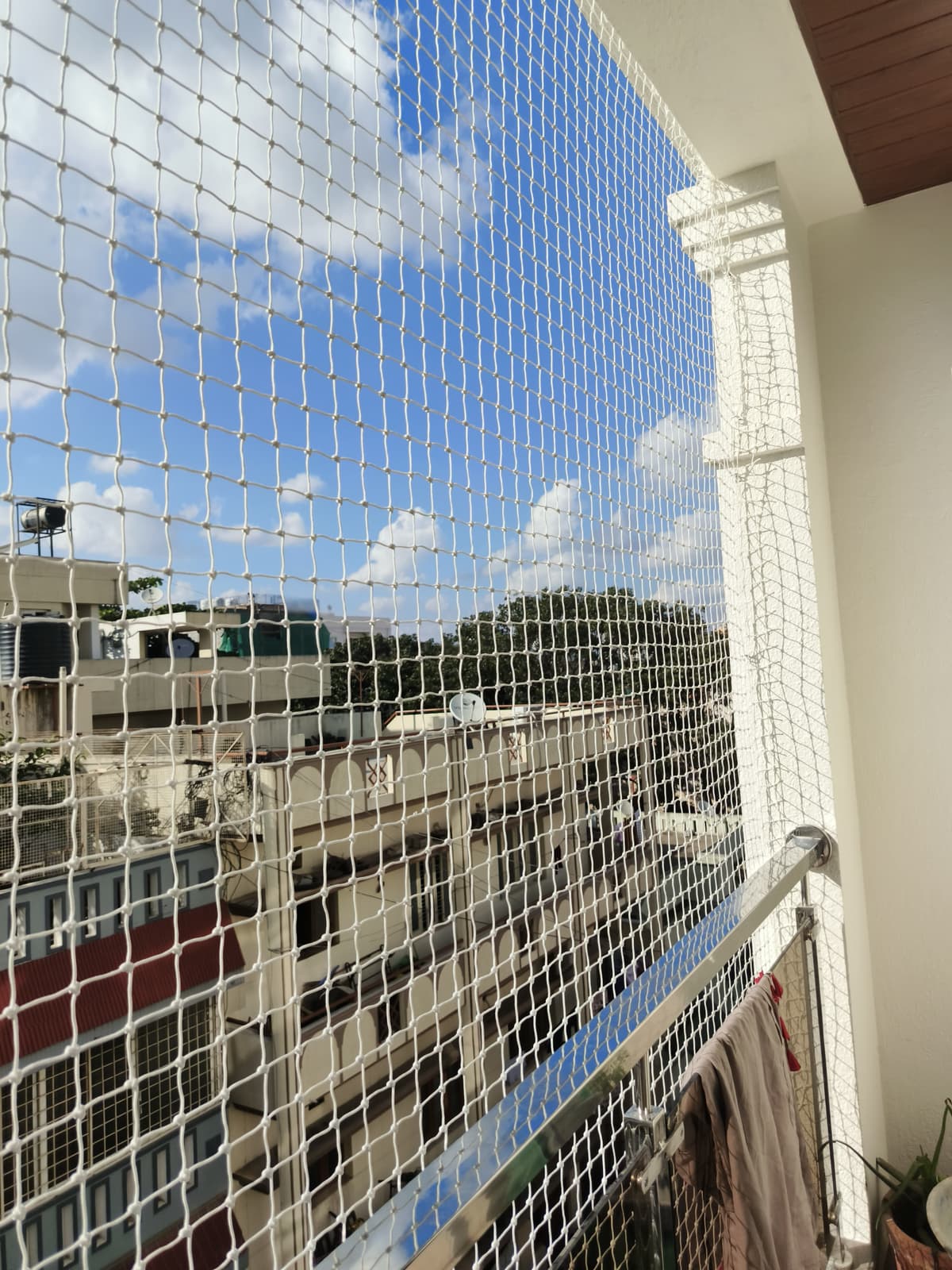
Safety nets are one of the most practical upgrades for Andhra Pradesh homes dealing with open balconies, pigeon nuisance, terrace edges, duct openings and window voids. A well-fixed net creates a flexible barrier that can support child and pet safety, discourage birds from nesting, and cover wider spans where a rigid grill may feel heavy or unnecessary. From compact apartment balconies to larger terrace and building-covering jobs, the right plan starts with purpose: fall protection, bird control, or both. Mesh size, UV-aware outdoor suitability, hook strength and neat tensioning matter more than a hurried overnight job. Coastal humidity and strong sun across the state affect how nets and metal fittings age, so maintenance should be part of the conversation from day one. We measure openings, explain options without inventing fixed technical miracles, and install with attention to gaps that birds or pets would otherwise exploit. Pricing depends on measurements, material grade, required spacing, installation complexity, building height, site accessibility and total project quantity. Whether you need balcony nets, pigeon nets, staircase coverage or duct-area protection, the work should feel specific to your building—not a generic patch.
We provide installation services across Andhra Pradesh subject to site accessibility, measurements, technician availability and project requirements. Listing a place does not mean we operate a branch there.
Nets add a continuous flexible barrier where railing gaps or low parapets worry families with children or elderly visitors.
Pigeon nets help block favoured ledges and balcony corners when entry routes are covered completely.
Bird safety netting reduces nesting and droppings on windowsills, ducts and open utility areas.
Children safety nets are planned for balconies, windows and selected voids where supervision alone feels insufficient.
Pet safety nets address side gaps and lower openings that cats or small dogs may attempt.
Terrace nets support safer family use of open roof areas when parapets and access allow secure fixing.
Duct openings often attract birds and may present fall concerns; dedicated duct-area nets close those voids.
Building-covering and open-area netting can address wider bird or safety needs when structure and access permit.
Common for child safety, pet safety and pigeon control within society work guidelines.
Suitable when exterior access and wind exposure are assessed before tensioning large spans.
Useful for terraces, stair voids, courtyards and window openings with mixed bird and safety needs.
Duct-area netting helps where vertical openings draw birds or create safety gaps.
Appropriate when hardware and cleaning routines account for salt air and humidity.
Selected corridors, open wells or facade zones can be covered after a proper site review.
Typical installation contexts across homes and institutions in Andhra Pradesh
Living and utility balconies covered for fall protection with attention to corners and side returns.
Targeted netting on ledges, balcony pockets and roosting corners favoured by pigeons.
Broader bird control across windows, ducts and open utility zones with purpose-led mesh choice.
Openings used by children secured with suitable tension and continuous perimeter fixing.
Layouts that consider pet size and climbing habits at balconies and windows.
Terrace edges and open roof zones planned around parapet condition and family use.
Vertical duct and service openings covered to reduce bird entry and accidental falls.
Larger facade or courtyard covering jobs scoped after access and structural review.
Window openings protected while retaining practical ventilation for daily living.
Stair voids and open sides netted where fixings can be placed securely.
Selected open residential or building zones covered when measurement and tensioning points allow.
Nets adapt to shapes that are awkward for rigid grill panels.
One planned installation can address fall concerns and pigeon issues when designed for both.
Air still moves through mesh more freely than through solid boarding.
Terraces, ducts and larger openings can be covered when supports allow proper tension.
Purpose and mesh approach can be tuned to household safety priorities.
Damaged areas can often be repaired or replaced without redoing an entire building.
Families often use balconies more calmly once edges and bird issues are addressed.
Commercials follow real dimensions and access instead of vague package claims.
Mesh discussed as a factor for birds, children or general balcony cover—not a single forced size.
Outdoor suitability considered for Andhra Pradesh sun exposure during material talks.
Fixings matched to wall, railing or slab condition found on site.
Nets stretched to reduce sagging that invites climbing or bird entry.
Edges closed carefully so pets and birds cannot exploit leftover openings.
Balconies, ducts and terraces can be sequenced under one coordinated scope.
Height and reach constraints influence method and scheduling.
Cleaning and inspection habits explained in simple household language.
Safety net projects typically combine netting suited to outdoor or semi-outdoor use with hooks, cables, frames or fasteners that hold tension at the perimeter. Material choice should reflect purpose—bird control, fall protection or both—and the weather the opening actually faces. We talk about UV exposure, humidity and coastal air as real durability factors. Exact mesh numbers, fibre brands or chemical formulations are confirmed for your job rather than published as unverified universal specifications.
Ask what the net is intended to resist: sun, rain, bird beaks, or curious pets. Outdoor jobs in Andhra Pradesh generally need UV-aware materials and metal fittings that will not fail first at the hooks. Coastal sites deserve compatible fasteners and a cleaning plan. Treat any printed grade, GSM or mesh claim as something to verify against your use case. Honest guidance beats catalogue exaggeration.
Exact material grade, cable or net spacing, fixing hardware and finish options are confirmed after on-site measurement. Published specs are indicative and may change based on building condition and safety requirements.
Define the purpose for each opening: safety, birds, or both.
Measure width, height and note irregular shapes or stepped parapets.
Photograph roosting spots, droppings marks and likely bird entry routes.
Record obstacles that interrupt a clean net line.
Note floor height and access constraints for installers.
Check whether neighbouring openings must be covered to stop birds shifting next door on the same ledge.
List terrace, duct, staircase and window zones separately for clear scope.
Confirm society permissions for exterior hooks or frames.
Freeze scope, purpose and material direction after measurement approval.
Mark fixing points and confirm substrate strength.
Install hooks, cables or frames along the planned perimeter.
Cut and position netting with allowance for proper tensioning.
Stretch and secure the net evenly without leaving climbable sags.
Close corners, overlaps and obstacle cut-outs carefully.
Inspect from inside and outside for leftover gaps.
Remove offcuts and clean the work area.
Explain cleaning and inspection points to the resident or facility contact.
Note any phased areas left for a later visit.
Walk all candidate openings and bird activity zones.
Assess fixing surfaces and access method.
Identify whether safety, bird control or combined intent leads the design.
Note weather exposure including coastal influence where relevant.
Flag structural or permission issues before quotation.
Estimate whether one continuous cover or zoned covers make more sense.
Summarise recommended mesh approach in plain language.
Pricing depends on measurements, material grade, required spacing, installation complexity, building height, site accessibility and total project quantity. Fixed package prices are not shown because every site differs.
Common safety nets applications planned after site measurement.
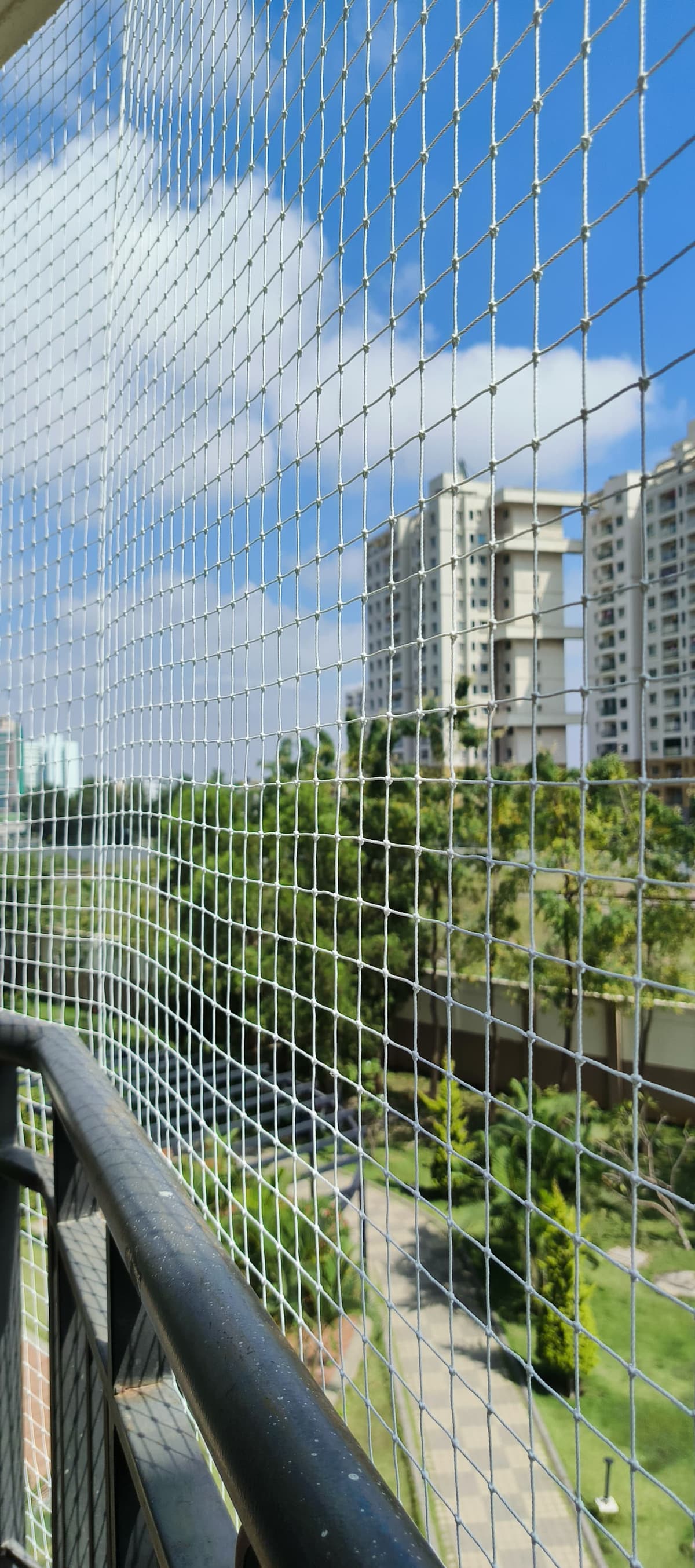
Balcony safety nets create a protective barrier for fall prevention and bird control on balconies.
Pigeon safety nets block birds from nesting on balconies, ducts and parapets without harming them.
Bird safety nets protect balconies, windows and building zones from common urban bird entry.
Children safety nets add protection at balconies and windows where kids are at risk.
Pet safety nets help prevent cats and dogs from slipping through balcony railing gaps.
Duct-area safety nets block birds from nesting in service ducts and AC ledge zones.
Terrace safety nets protect open rooftop edges and large parapet spans.
Building-covering safety nets protect large facade and ledge areas from bird entry.
Window safety nets add protection to open windows while keeping ventilation possible.
Staircase safety nets secure open stair sides where railing gaps create fall risk.
Cities & areas
Open the safety nets page for your city or locality. Coverage is confirmed after site review—listing a place does not mean we operate a branch there.
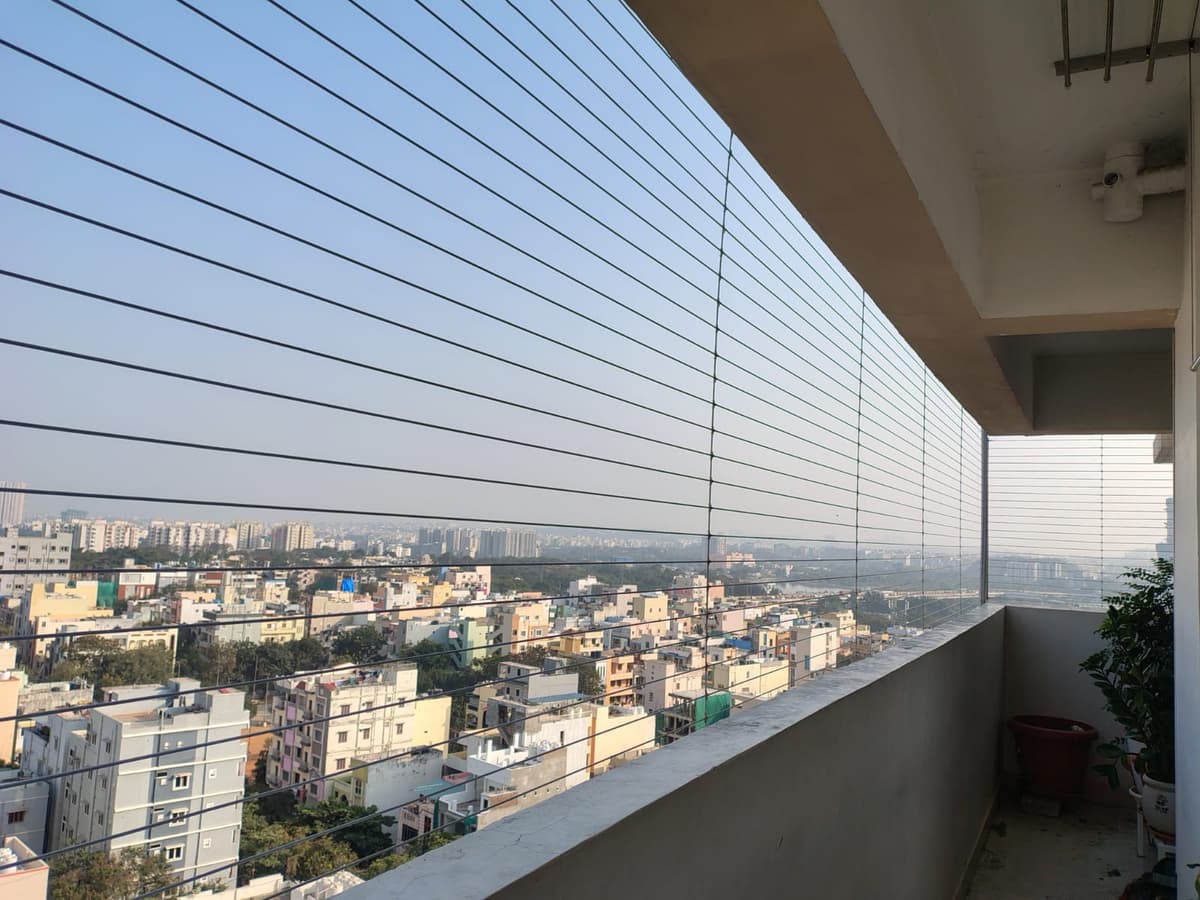
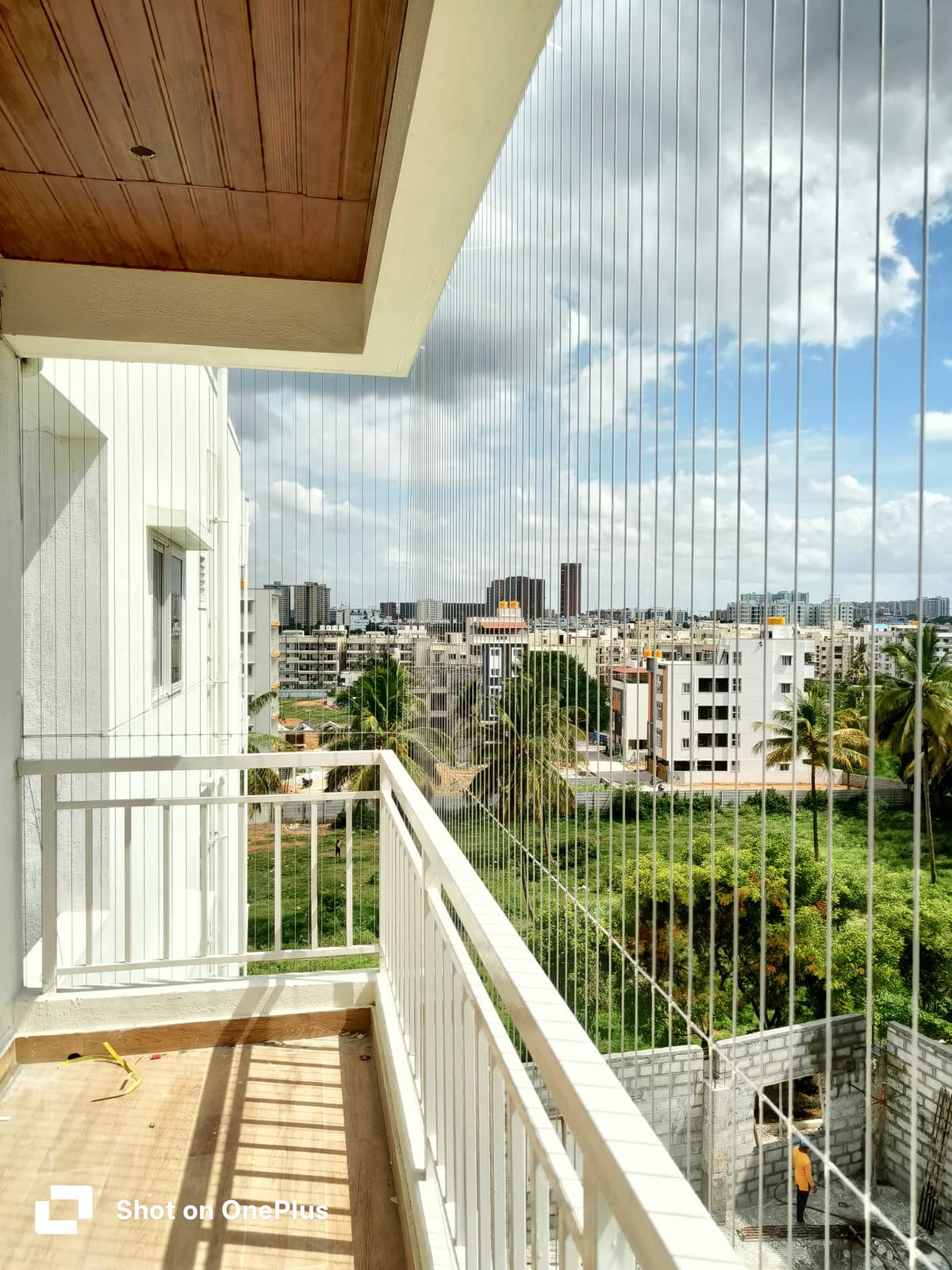
Invisible grills provide modern balcony and window safety with stainless steel strength and minimal visual obstruction.
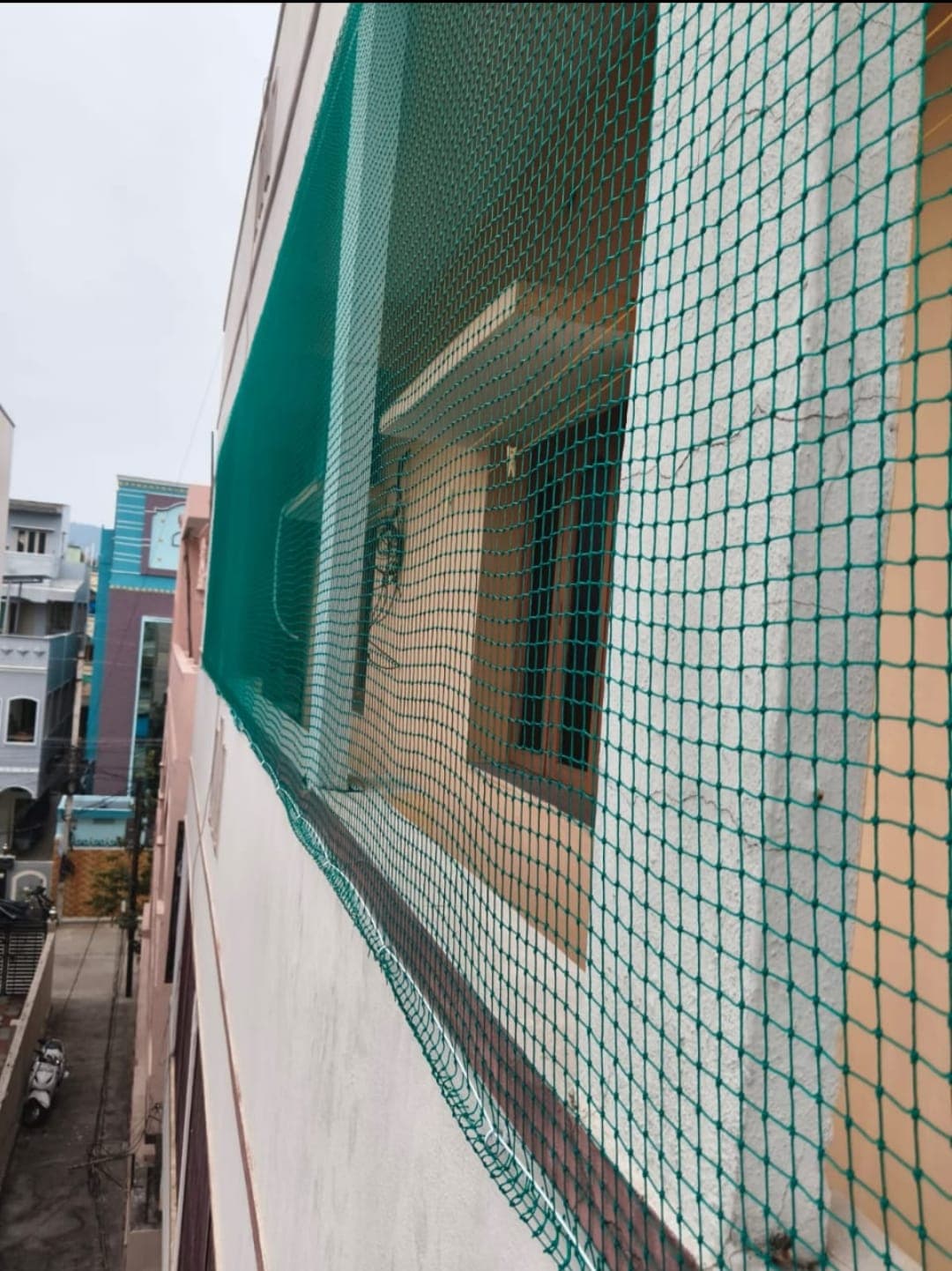
Sports nets enable safe cricket, football and multi-sport practice in homes, schools and academies across Andhra Pradesh.
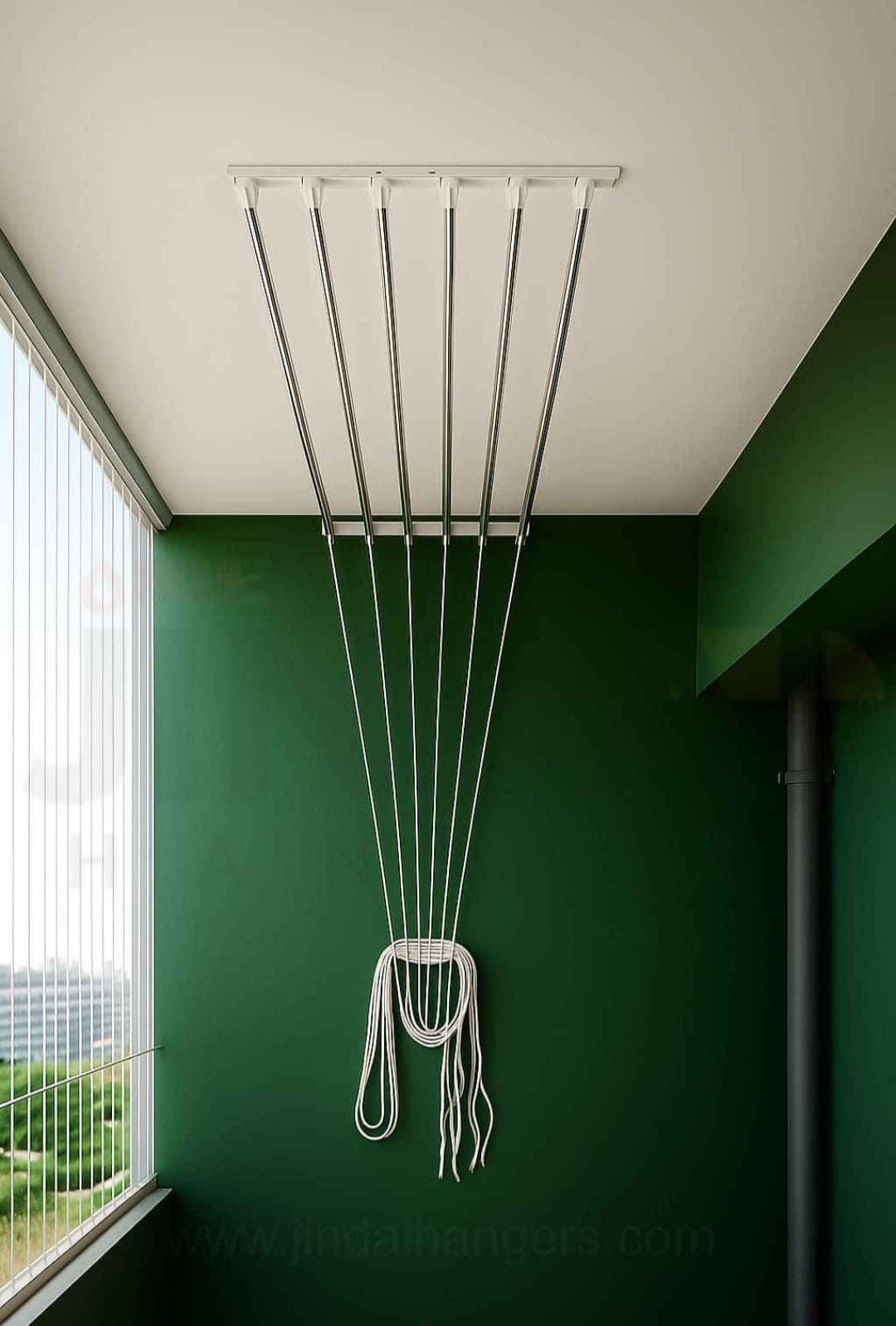
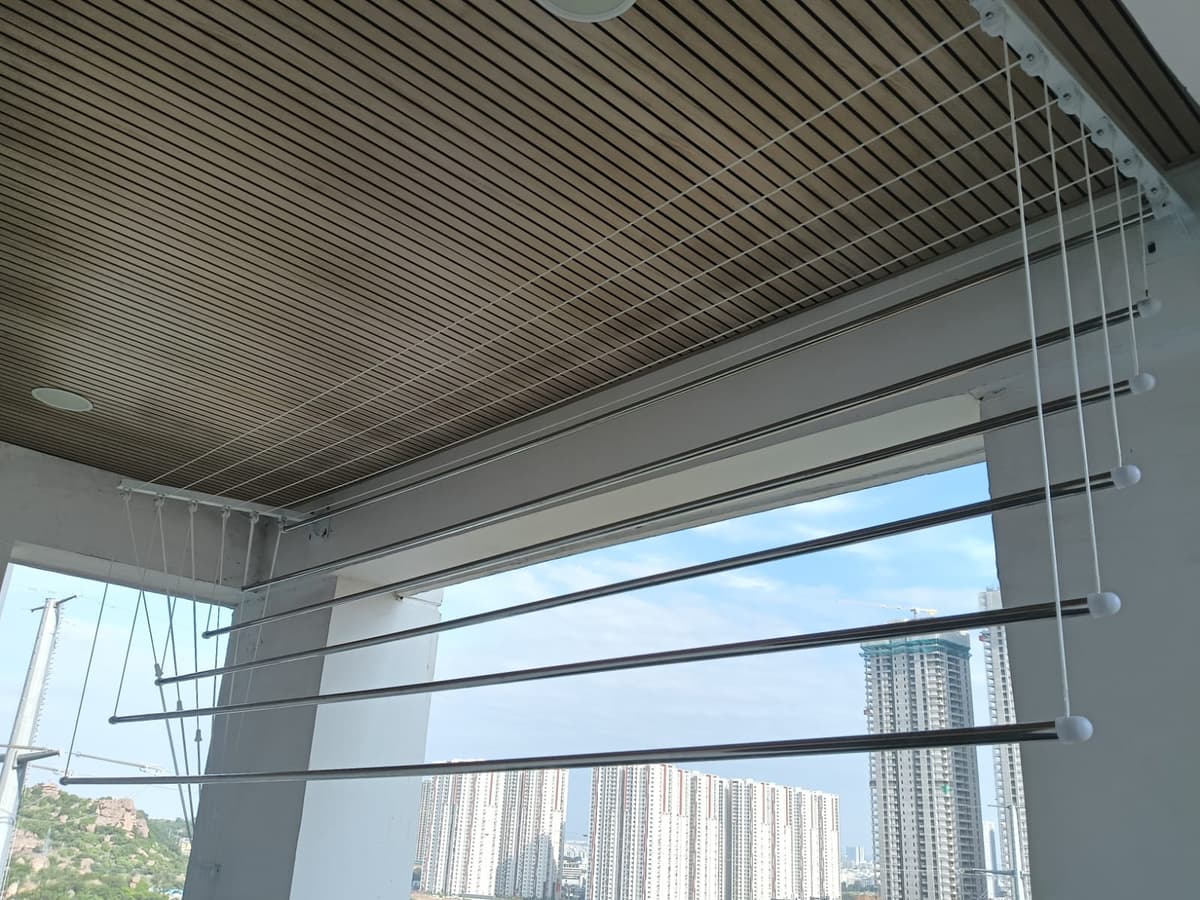
Cloth drying hangers help apartments and homes dry clothes efficiently using ceiling, pulley, wall and balcony systems.
Practical guidance related to safety nets planning and installation.
Read guidePractical guidance related to safety nets planning and installation.
Read guidePractical guidance related to safety nets planning and installation.
Read guideUnderstand what affects installation cost before requesting a quote.
Read guideMaterial and specification notes for outdoor installations.
Read guideWhat to expect from measurement through handover.
Read guideUsage and maintenance safety information for homes and practice areas.
Read guideShare your city, property type and approximate measurements for Safety Nets. We will confirm service availability and guide you through the next steps.
Pricing depends on measurements, material grade, required spacing, installation complexity, building height, site accessibility and total project quantity.