Loading page…
Loading page…
2026-07-15
Compare bird control and fall-protection options for apartment balconies before you request a quote.
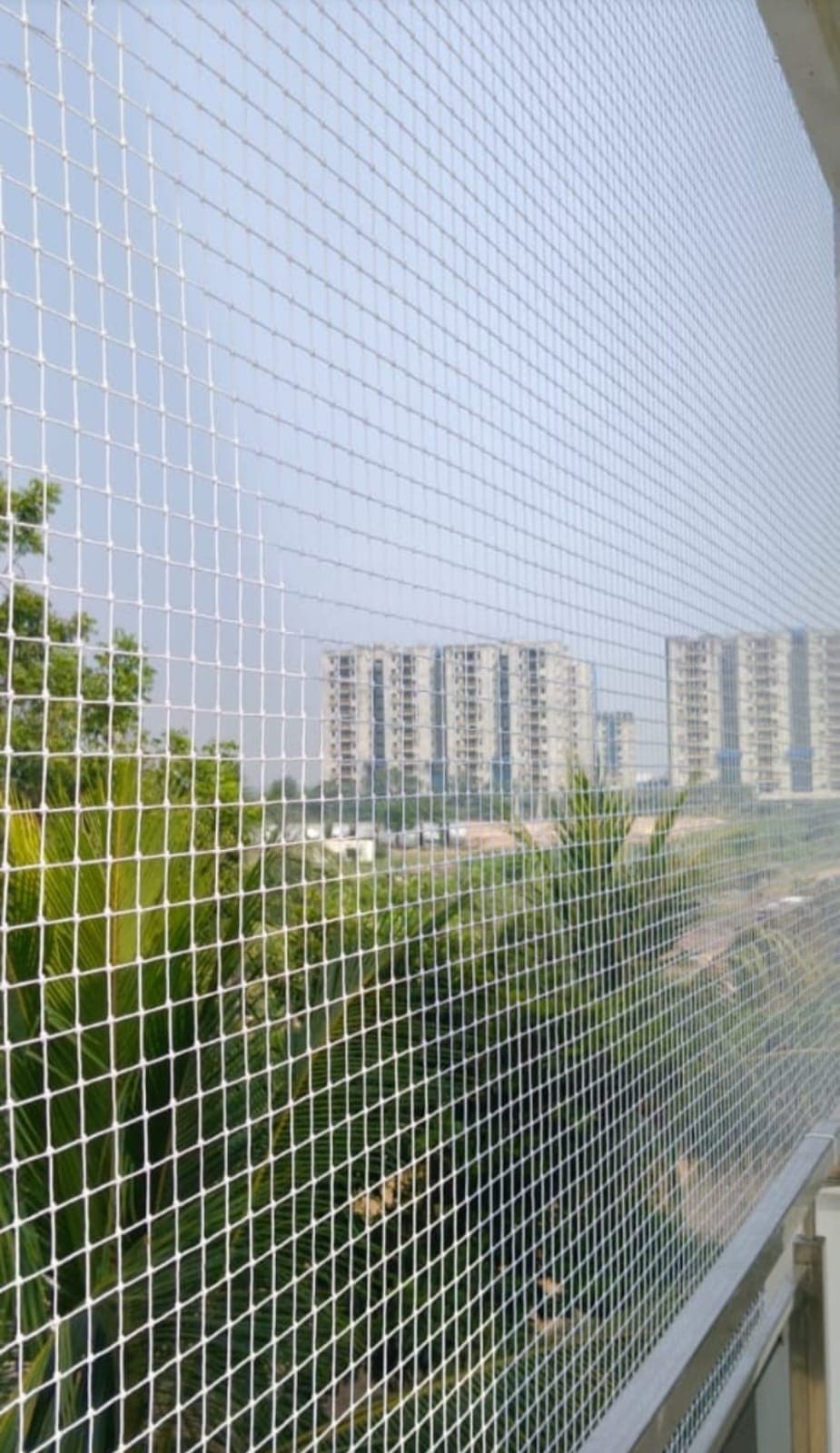
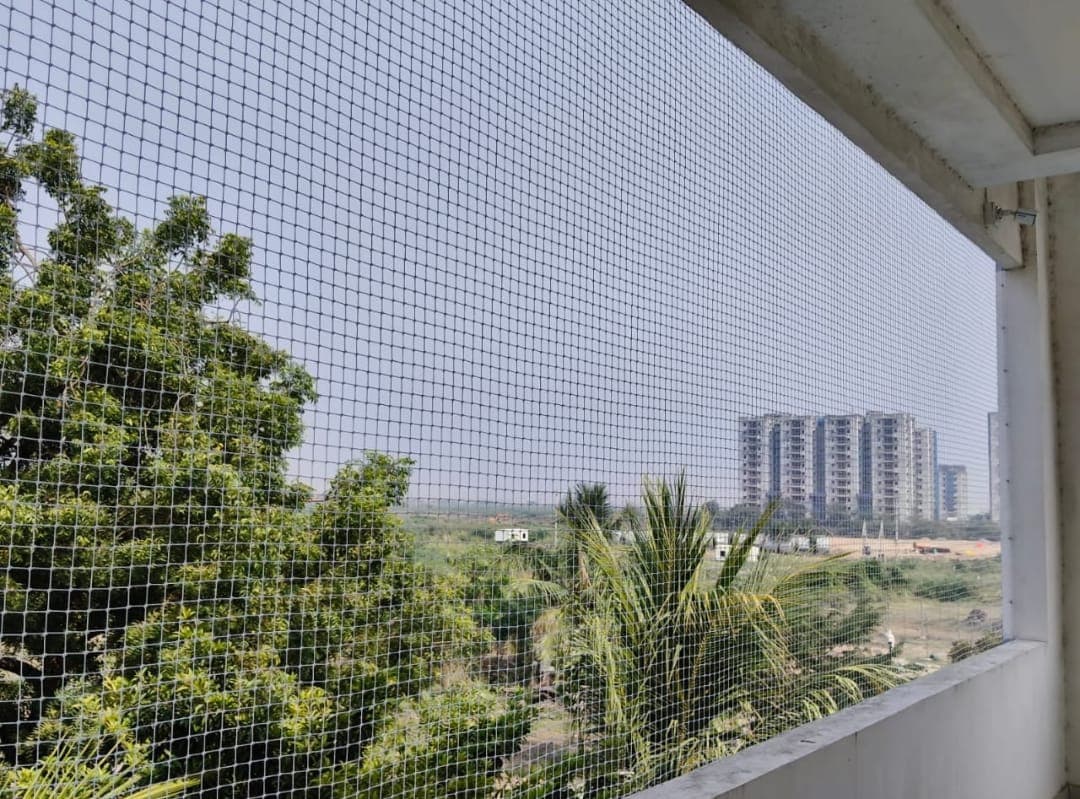
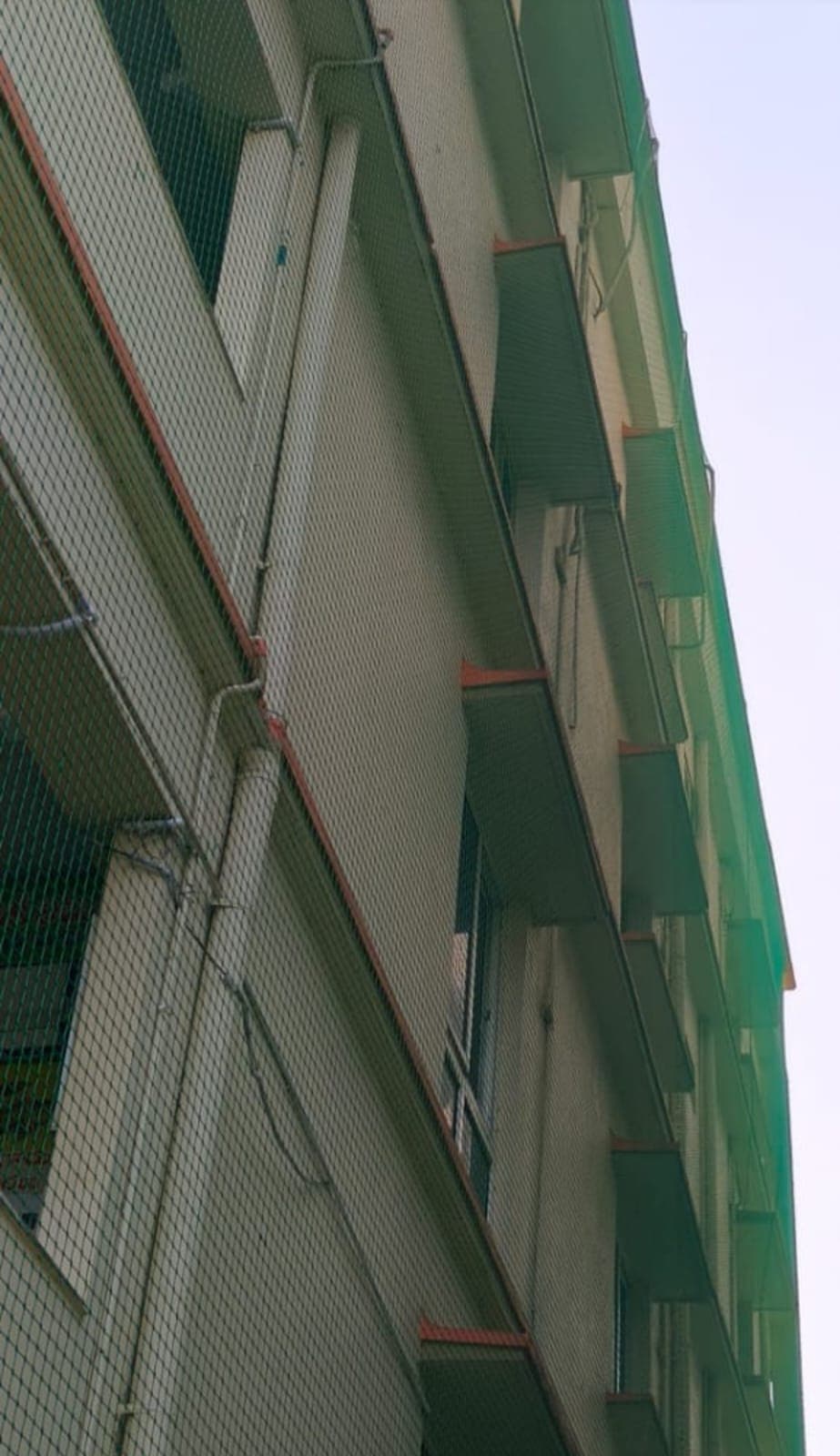
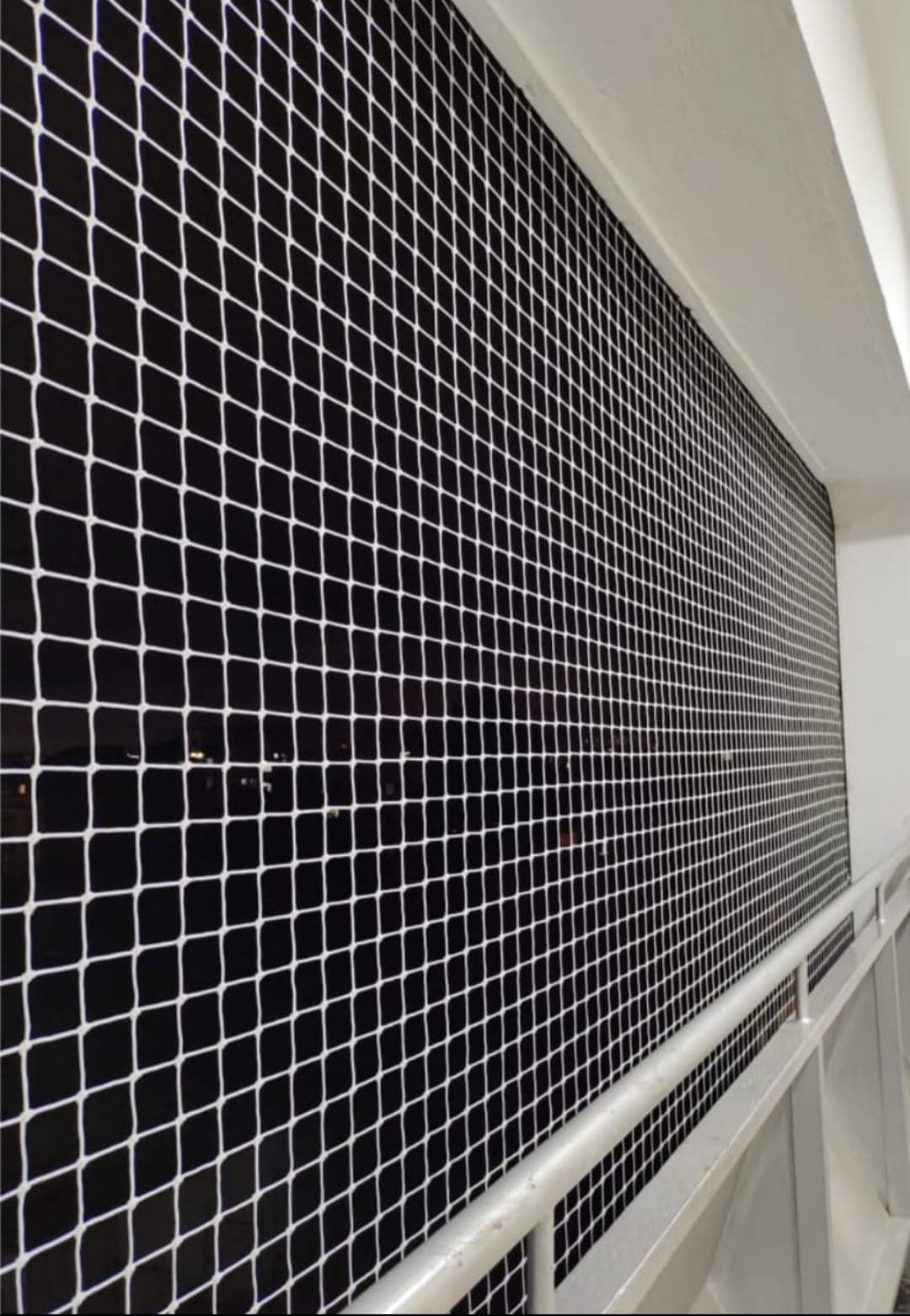
This article is written for families and property managers comparing practical safety and bird-control options in Andhra Pradesh. It expands the topic into structured sections you can use before requesting measurement. Coverage remains on a service-area basis and is confirmed after reviewing site access and requirements.
Homeowners in Andhra Pradesh often ask whether a pigeon net or an invisible grill is “better” for a balcony. The honest answer is that they are better at different jobs. Pigeon netting is primarily a bird-control and coverage tool. Invisible grills are primarily a slim fall-protection barrier that keeps views more open than bulky iron grills. Some openings need one; some need the other; some homes need both across different faces of the same flat.
This article helps you compare purpose, look, maintenance, limitations and quotation factors so you can brief an installer clearly. Final suitability still depends on measurement, access and project requirements at your site.
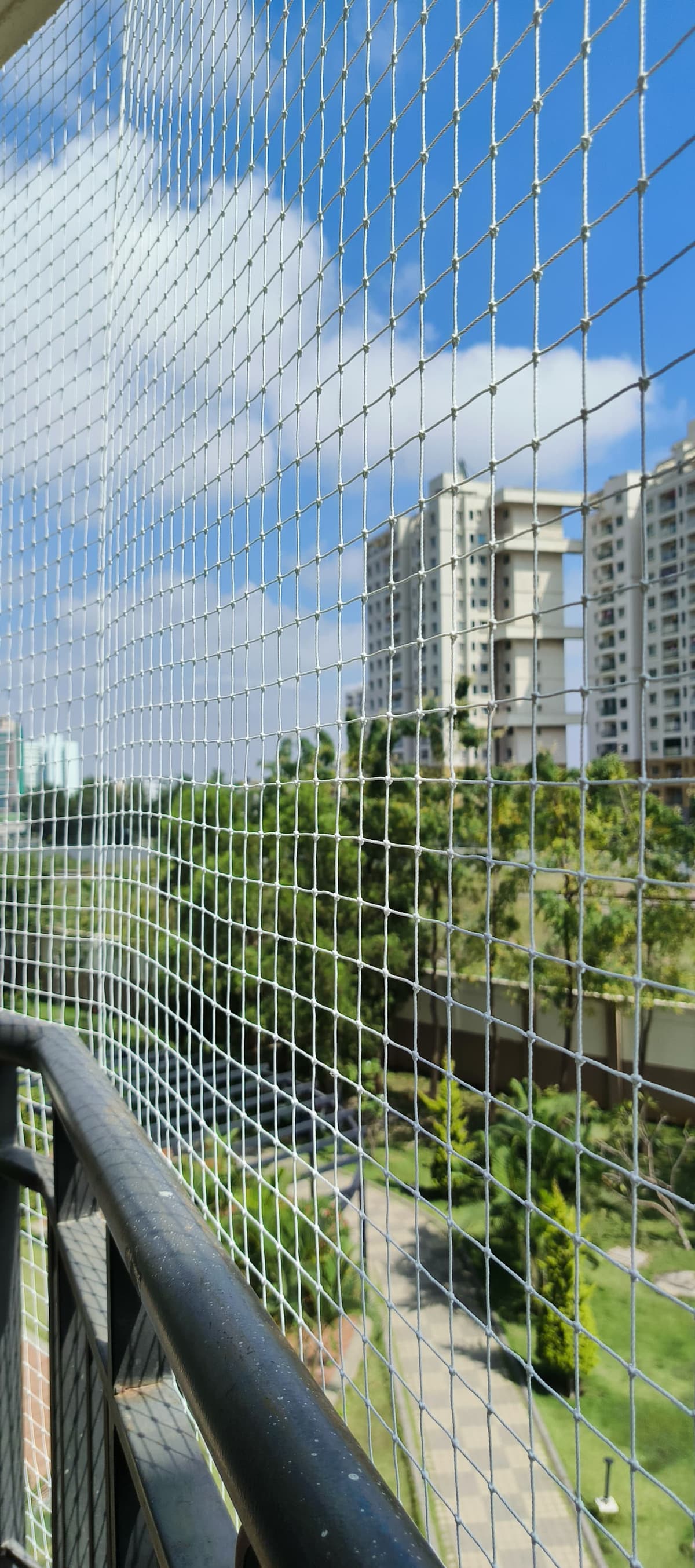
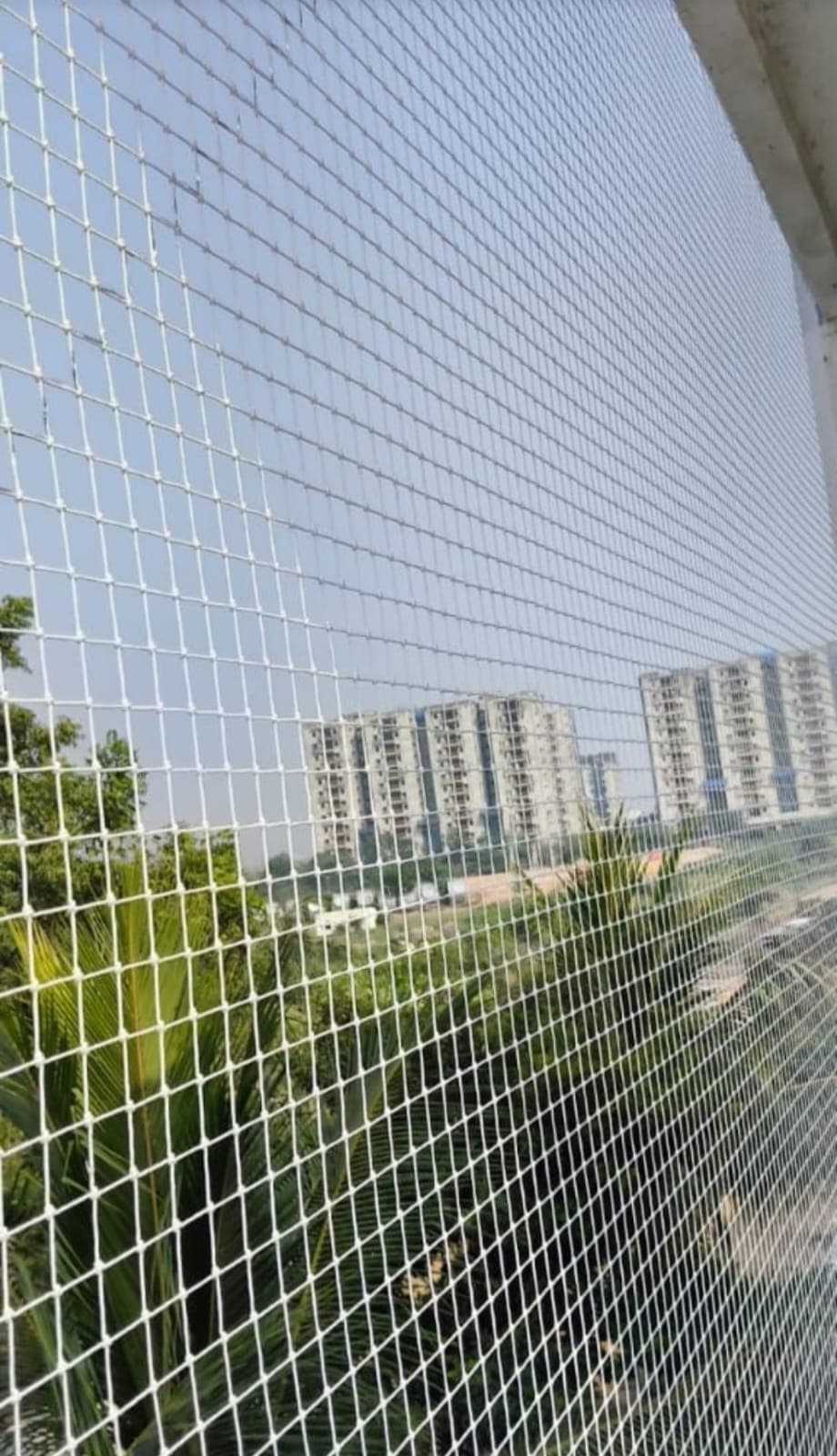
Pigeon and bird nets discourage nesting and droppings on utility balconies, AC shelves, ducts and ledges when aperture is suitable and edges are sealed to the structure. Incomplete corners are the usual failure point. Cleaning nesting material before installation improves hygiene and fixing quality. Bird control is partly a property-maintenance issue; neighbouring ledges outside your scope may still attract birds.
Nets can also contribute to fall-risk reduction when specification and tension match that purpose, but bird-control mesh choices and child-safety choices are not automatically identical. Say which outcome is primary so the mesh and fixing plan can follow it.
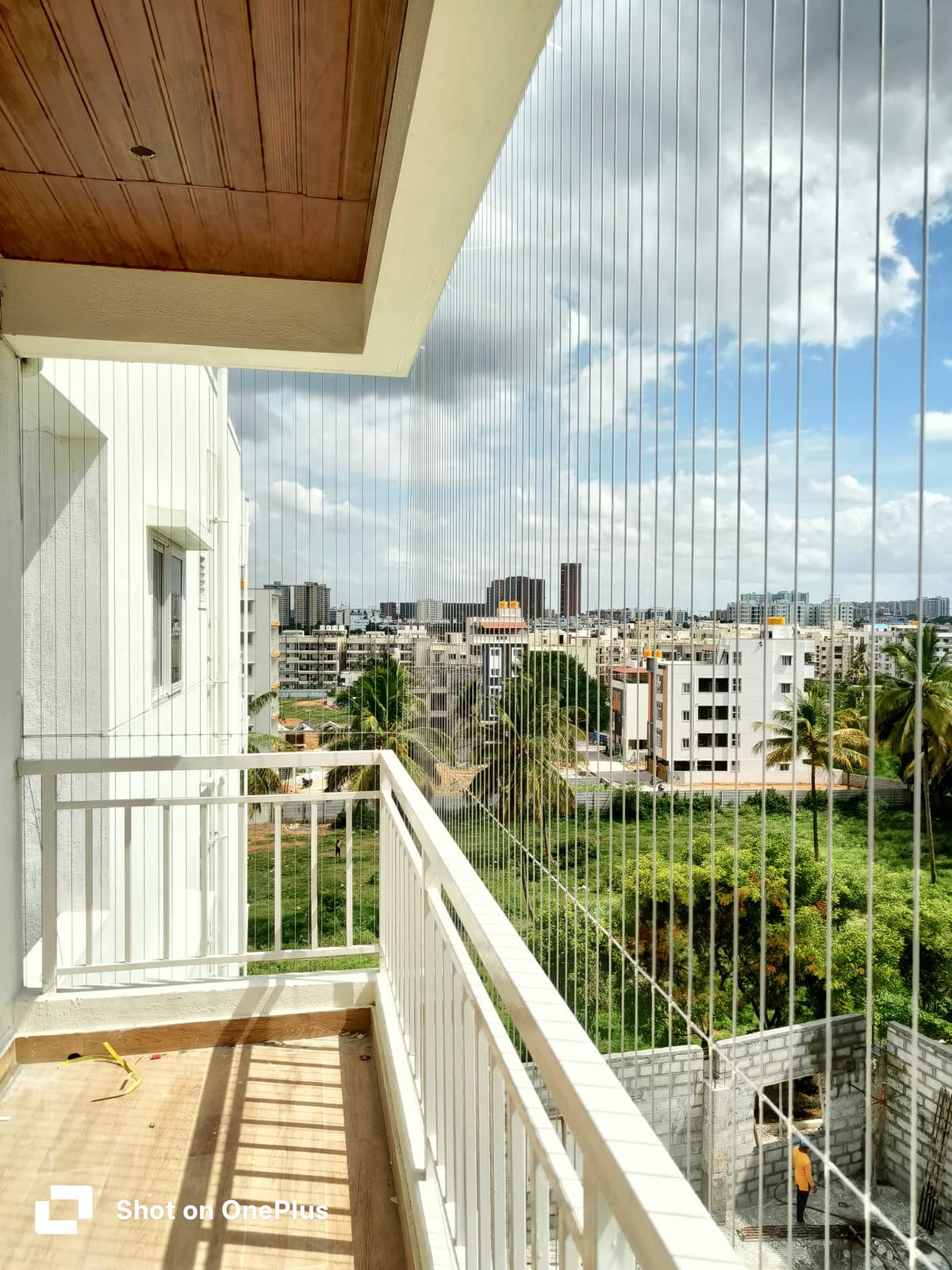
Invisible grills use slim stainless lines to reduce the chance of falling through balcony or window openings while preserving more of the view than heavy grill panels. They are frequently chosen for living balconies where appearance matters and bird pressure is secondary. Spacing, anchors and corner finishing decide whether the system meets the safety need.
Grills are less often the first choice when the main complaint is heavy pigeon nesting on messy utility ledges. In those cases, broader mesh coverage may address the bird problem more directly. If both view-friendly fall protection and bird control matter on the same opening, discuss trade-offs on site rather than assuming one product wins every criterion.
From inside the home, invisible grills usually read as thin lines; nets read as a mesh field. Preference is personal and also depends on whether the balcony faces a busy road, a neighbour’s wall or an open view. Ventilation and drying habits matter too. Clothes, plants and storage interact with both systems differently.
Utility balconies packed with machines and outdoor units often favour carefully cut nets. Front balconies used for sitting may favour grills. Duplex stair voids and terrace edges need their own assessment. Avoid copying a relative’s choice from another city without checking your railing geometry.
Nets need debris clearing, tension checks and UV-aware expectations over seasons. Grills need wiping, fastener attention and periodic inspection of end fittings. Coastal moisture can stress neglected metal accessories on grill systems and can also dirty mesh faster. Neither product is maintenance-free outdoors.
Ask installers for simple care guidance at handover. Early reporting of sagging mesh, torn corners, loose hooks or slack cables prevents larger repairs. Aggressive chemicals are usually unnecessary and sometimes harmful to finishes.
Pricing depends on measurements, material grade, required spacing or mesh specification, installation complexity, building height, site accessibility and total project quantity. Bird netting over awkward ledges can need more custom cutting than a straight grill run, even when areas look similar. Closer grill spacing for child safety can increase material use compared with wider decorative spacing.
Compare quotations by listed openings, edge treatment, hardware inclusions and exclusions. A cheaper number that skips returns or ducts is not a saving. Phasing is acceptable: protect the highest-risk or most bird-affected openings first, then add work later with fresh measurement.
Choose a pigeon-net-led plan when droppings, nesting and ledge access are the dominant complaint, especially on utility faces and ducts. Choose an invisible-grill-led plan when fall protection and a lighter visual barrier are the dominant needs on living balconies or windows. Choose a mixed plan when different openings have different jobs — a common and sensible outcome in real apartments.
If children and pigeons are both urgent on the same balcony, bring that tension to the measurement visit. Sometimes one well-chosen specification helps across needs; sometimes trade-offs remain. Honest discussion beats a forced universal winner.
Send your city or area, photos of each opening, and a one-line purpose per photo: “bird control”, “child safety”, “pet safety” or “mixed”. Note floor level and society rules. Ask the responder to explain recommended options and why. After measurement, approve written scope before installation scheduling.
Remember that location pages on service websites describe coverage potential, not a shop in every neighbourhood. Feasibility is confirmed per enquiry. The better product is the one that matches your opening’s real problem — installed completely, finished at the edges, and maintained with ordinary care.
Create a simple scorecard for each balcony: bird pressure high/medium/low, fall-risk priority high/medium/low, view importance high/medium/low, and obstacle complexity high/medium/low. High bird pressure with medium fall risk often leans net-first. High fall risk with low bird pressure and high view importance often leans grill-first. High/high on both may need a mixed plan or a carefully argued single specification.
Add practical constraints to the scorecard: society rules, budget phase, and whether the balcony is utility or living. Constraints frequently decide timing more than product theory. A perfect product choice that cannot be installed under association rules is not a perfect choice.
Bring the scorecard to measurement. It keeps the conversation structured when multiple family members have different preferences. Written priorities reduce last-minute scope churn on installation day.
Myth one: nets always look ugly and grills always look invisible. Reality depends on mesh colour, lighting, distance to neighbours and how neatly edges are finished. Myth two: the cheaper option is obvious from a city-wide rate. Reality is measured openings and inclusions. Myth three: either product removes the need for supervision. Reality is that both are risk-reduction tools.
Myth four: coastal homes cannot use stainless grill systems. Reality is that corrosion-conscious components and cleaning habits matter, not a blanket ban. Myth five: bird nets guarantee zero pigeons on the building. Reality is that untreated neighbouring ledges can still host birds outside your scope.
Replace myths with site questions. What is the primary job of this opening? How will corners be finished? What maintenance will we actually do? Those questions produce better decisions than social-media absolutes.
If droppings and nesting dominate, start with bird-net planning and confirm whether fall protection requirements change the mesh or fixing detail. If child or pet fall risk dominates and birds are secondary, start with invisible-grill planning and decide whether utility faces still need separate netting. If both dominate on different openings, assign products by opening instead of forcing a single winner for the whole home.
Approve only quotations that list openings, purpose assumptions and edge treatment. Schedule installation when access and permissions are ready. After handover, inspect corners and fittings on a simple seasonal rhythm.
The point of comparing pigeon nets and invisible grills is not to crown a universal champion. It is to match each Andhra Pradesh balcony to the problem it actually has — then install that solution completely and care for it in ordinary, sustainable ways.
Photograph each balcony and utility ledge, label the primary problem on each photo, and note society constraints. Send that pack with your city or area when you enquire. Ask the responder to explain whether nets, grills or a mix best fit those labels after measurement.
While you wait, clean obvious nesting material if safe to do so, move climb aids inland from edges, and agree household priorities so the quotation meeting does not restart the debate from zero. Small preparation makes the product comparison faster and fairer.
If budget forces a phase plan, put the highest bird-pressure utility faces or the highest fall-risk living edges first, then schedule the remaining openings with fresh measurement. A complete answer on the most urgent balcony beats a partial answer stretched thinly across every opening on day one.
Finally, write down the decision reasons you accepted — view, birds, children, pets, society rules — so future renovations do not undo a careful choice. Good comparisons end in documented scope, not only in a verbal preference for nets or grills. That written note also helps the next vendor or association conversation stay factual if you ever need repair, expansion or reinstallation later.
Share your location, photos and whether bird control, fall protection or both are the priority. We will outline measurement and quotation next steps.
Pricing depends on measurements, material grade, required spacing, installation complexity, building height, site accessibility and total project quantity.