Loading page…
Loading page…
2026-08-01
Practical safety steps for families with children and pets in flats and villas across Andhra Pradesh.
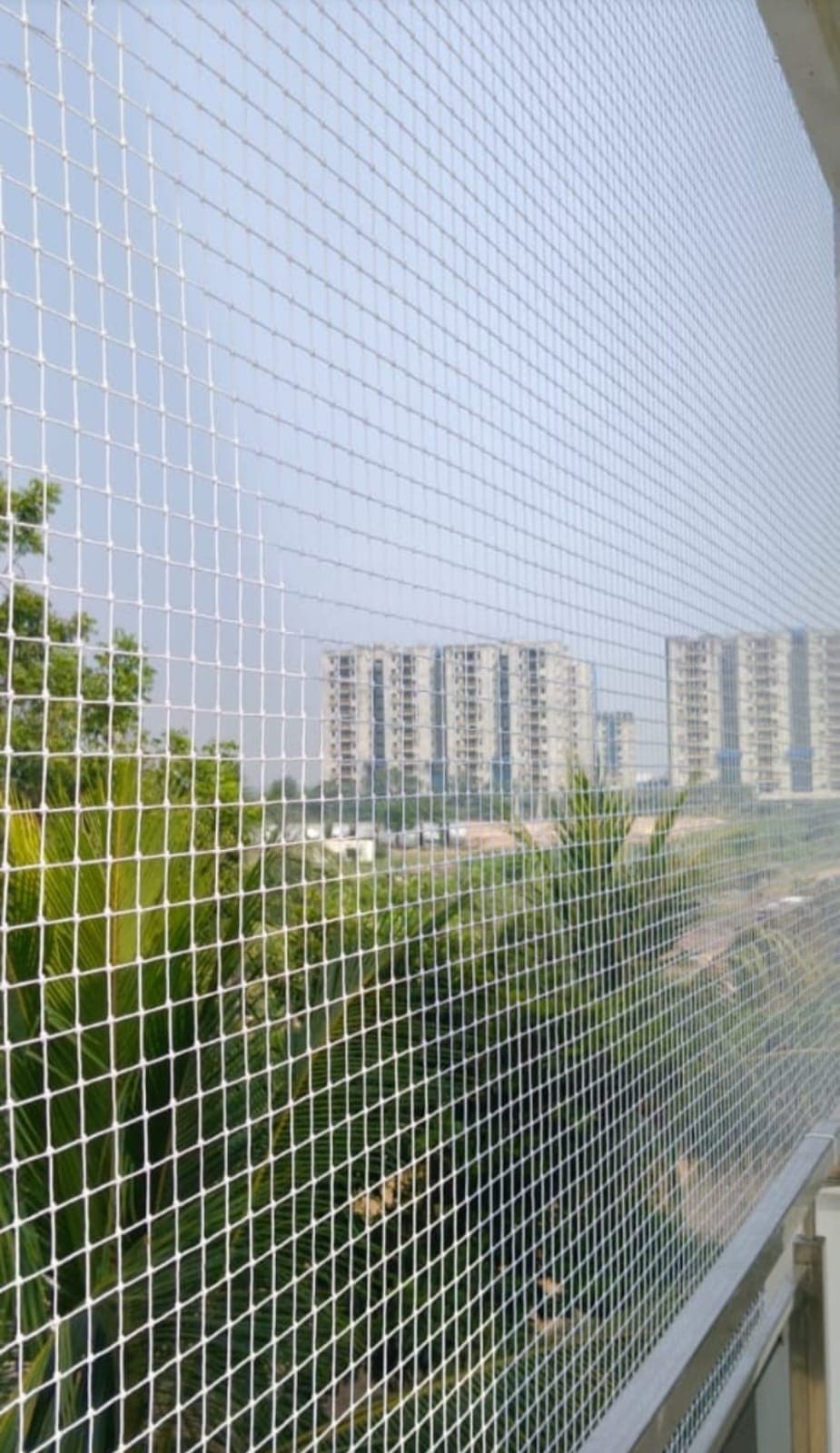
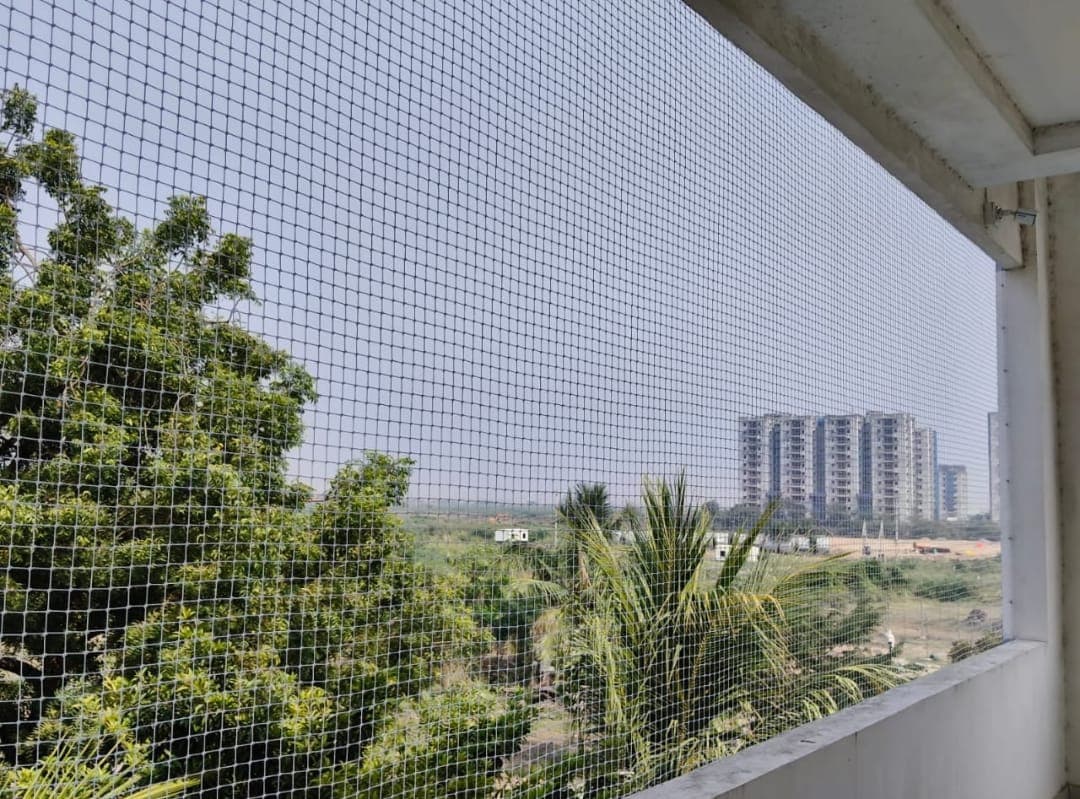
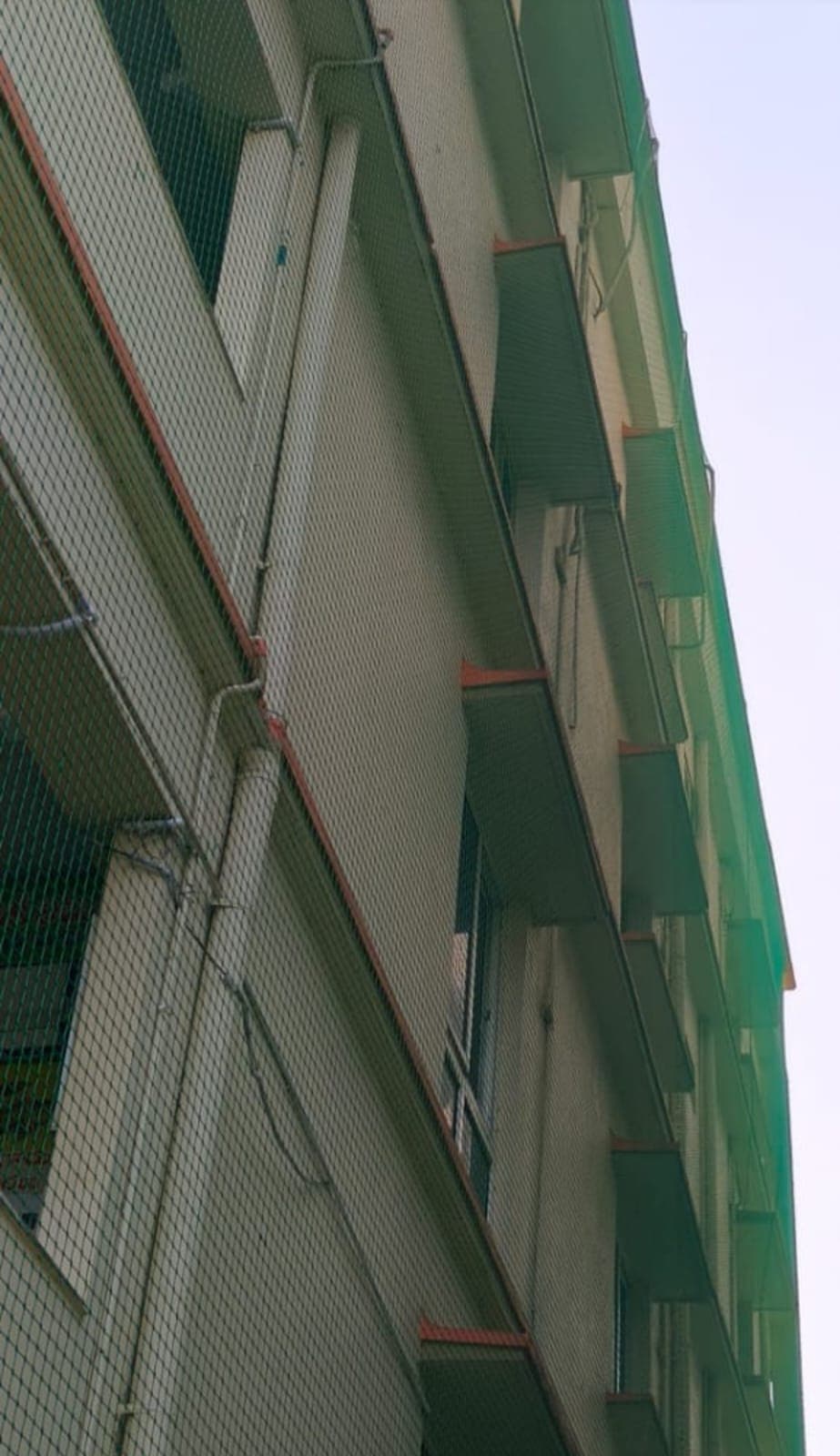
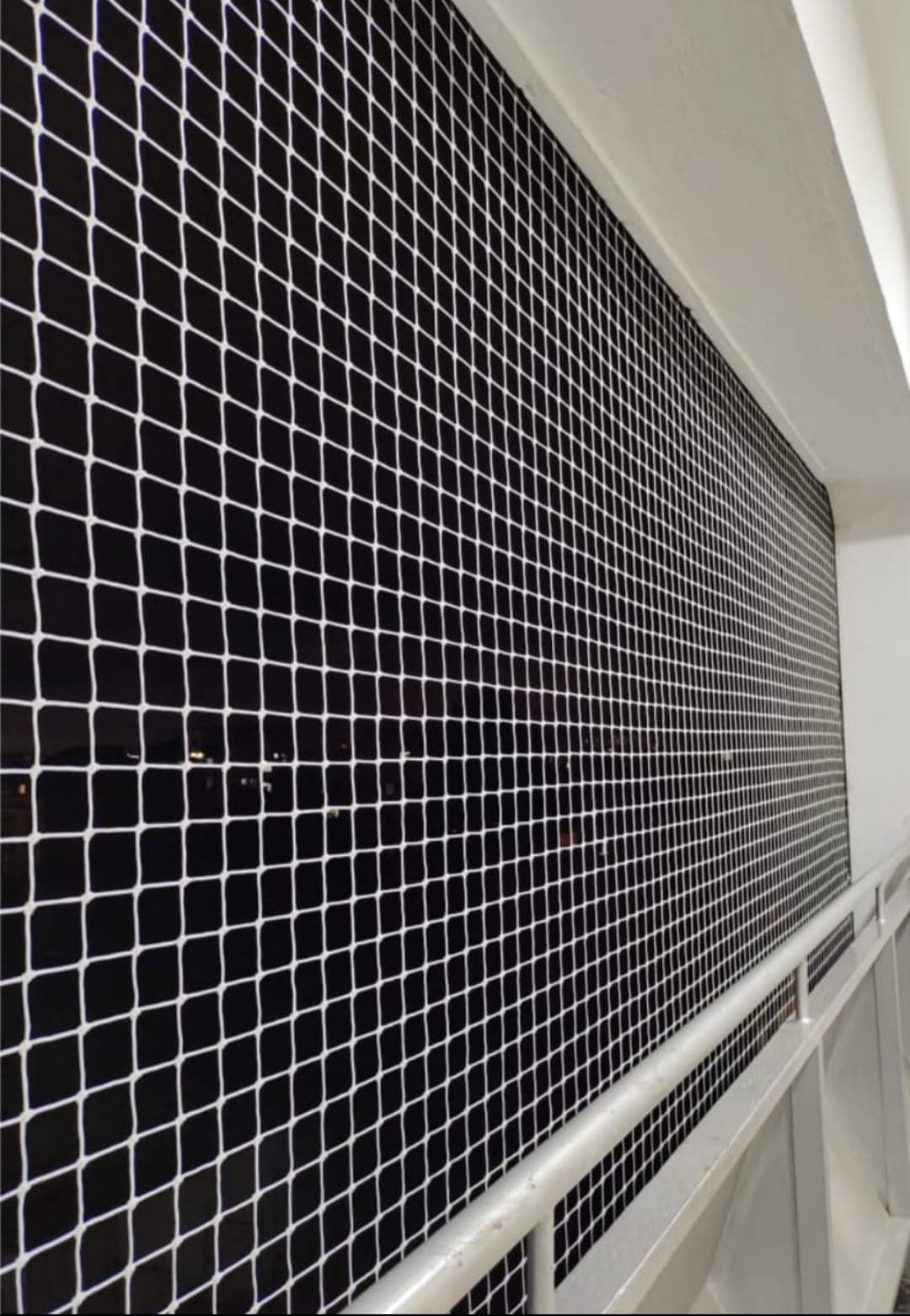
This article is written for families and property managers comparing practical safety and bird-control options in Andhra Pradesh. It expands the topic into structured sections you can use before requesting measurement. Coverage remains on a service-area basis and is confirmed after reviewing site access and requirements.
Balconies across Andhra Pradesh range from compact utility projections on apartment towers to wide sit-outs on independent houses. Heat, monsoon rain, coastal moisture in some districts and busy family routines all shape how people use these spaces. Children play, pets rest, clothes dry, and outdoor units occupy corners. Safety planning has to respect that mix rather than assume one product photograph solves every home.
This article shares practical tips you can apply before and after installing invisible grills or safety nets. It is general guidance for enquiry preparation, not a substitute for site measurement. Installation support can be arranged across the state subject to site accessibility, measurements, technician availability and project requirements.
Walk each balcony and accessible window with fresh eyes. Note railing pitch, parapet height, side wall gaps, climbable planters, folding chairs and AC shelves that create footholds. Measure roughly with a tape if you can, and photograph corners. Many incidents involve openings adults stopped noticing because the view felt familiar.
Rank openings by who uses them. A toddler’s living-room balcony usually outranks a rarely opened high window. A pet door to a utility balcony may outrank a decorative front ledge. Ranking helps you phase budgets without leaving the most serious risk for last.
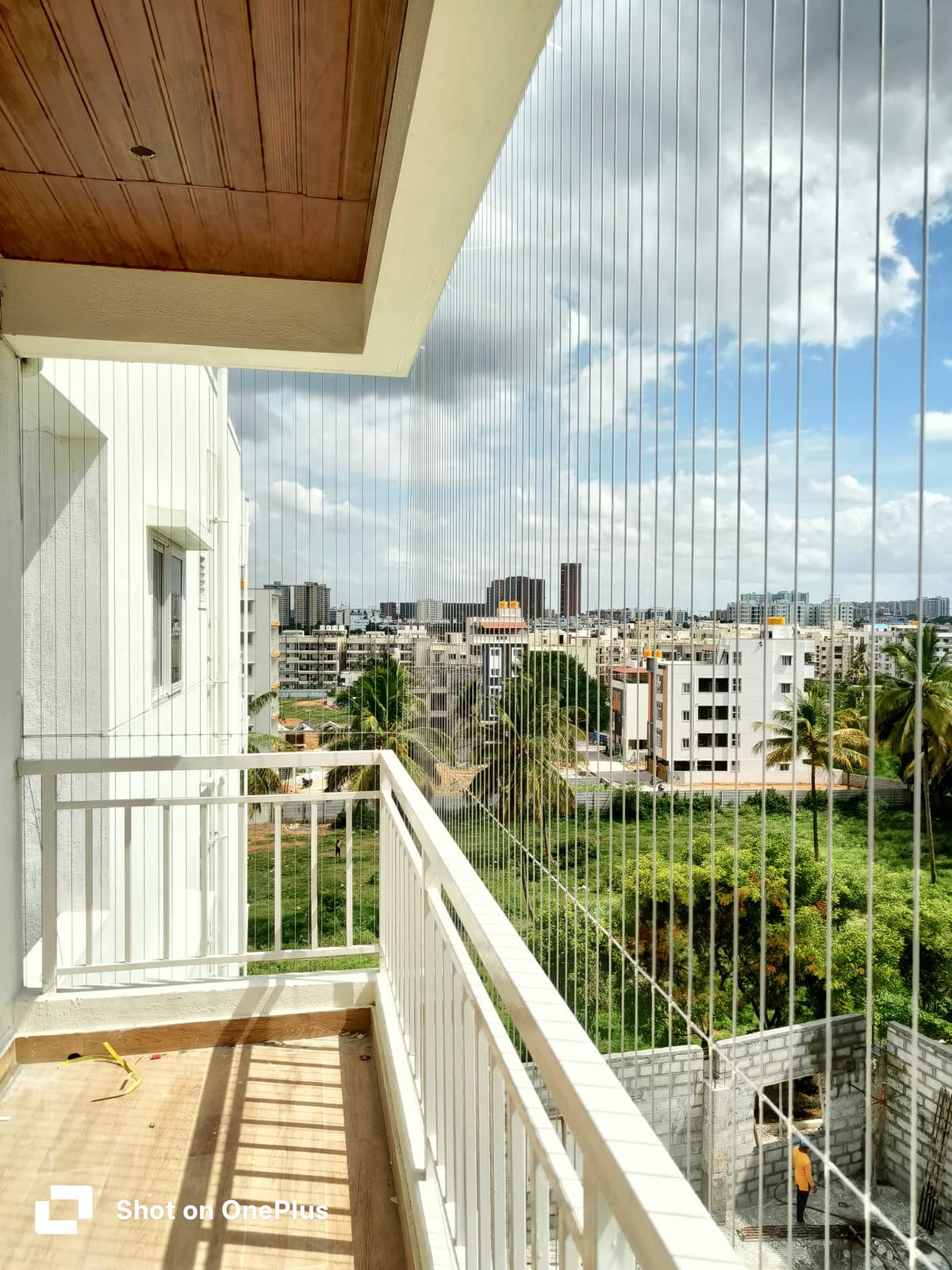
Invisible grills and safety nets can reduce fall risk when spacing or mesh size and coverage are planned carefully. They do not replace adult supervision. Keep stools, water drums and stacked pots away from edges even after installation. Teach children that cables and nets are barriers, not climbing frames or cricket practice rebounders.
Door discipline matters. A balcony door left open during mopping or delivery moments is a common incident window. If windows open wide on upper floors, include them in the discussion instead of protecting only the main balcony. Complete corners matter; a beautiful mid-span with a passable side gap is incomplete work.
Cats and dogs explore edges differently. Cats may climb mesh; dogs may push lower gaps; smaller pets can test apertures adults consider minor. Share pet type during enquiry so recommendations stay realistic. Chewing risk on soft nets or cords should be part of the conversation where relevant.
Also plan household routines. Pets often bolt toward balconies when guests arrive or when cleaning starts. Product installation helps, but supervision during those moments still matters. If both bird control and pet containment are goals, say so — aperture and fixing details may need balancing.
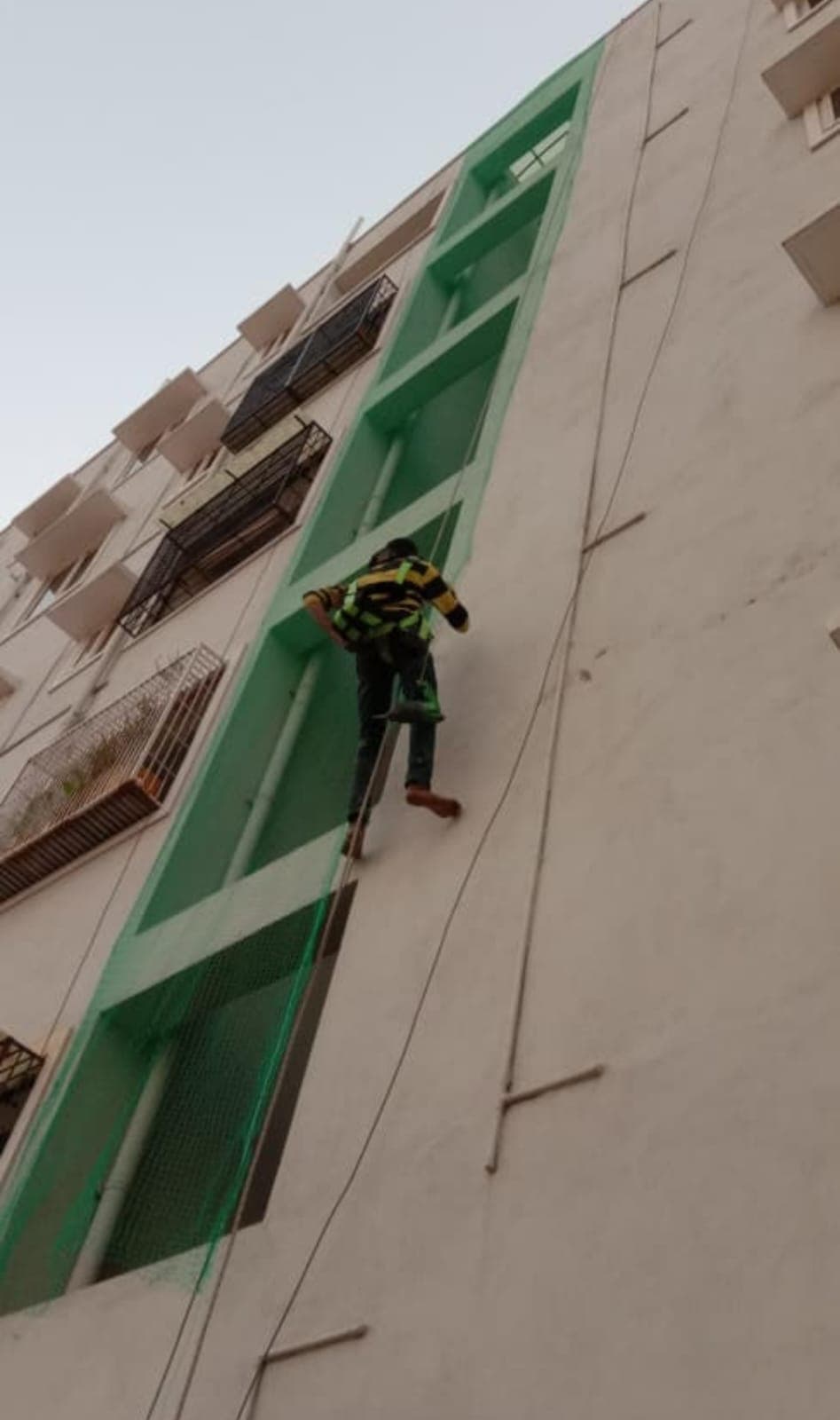
Higher floors increase consequence and often increase wind and sun exposure on fittings. Society rules on drilling and exterior work are more common in taller buildings. Confirm permissions and working hours early. Plan material movement through lifts so openings are not left unmanaged longer than necessary on installation day.
Do not assume a ground-floor fixing method automatically suits a high terrace screen. Ask about anchor approach, coverage completeness and access method. If weather turns unsafe for external work, postponement is the responsible choice.
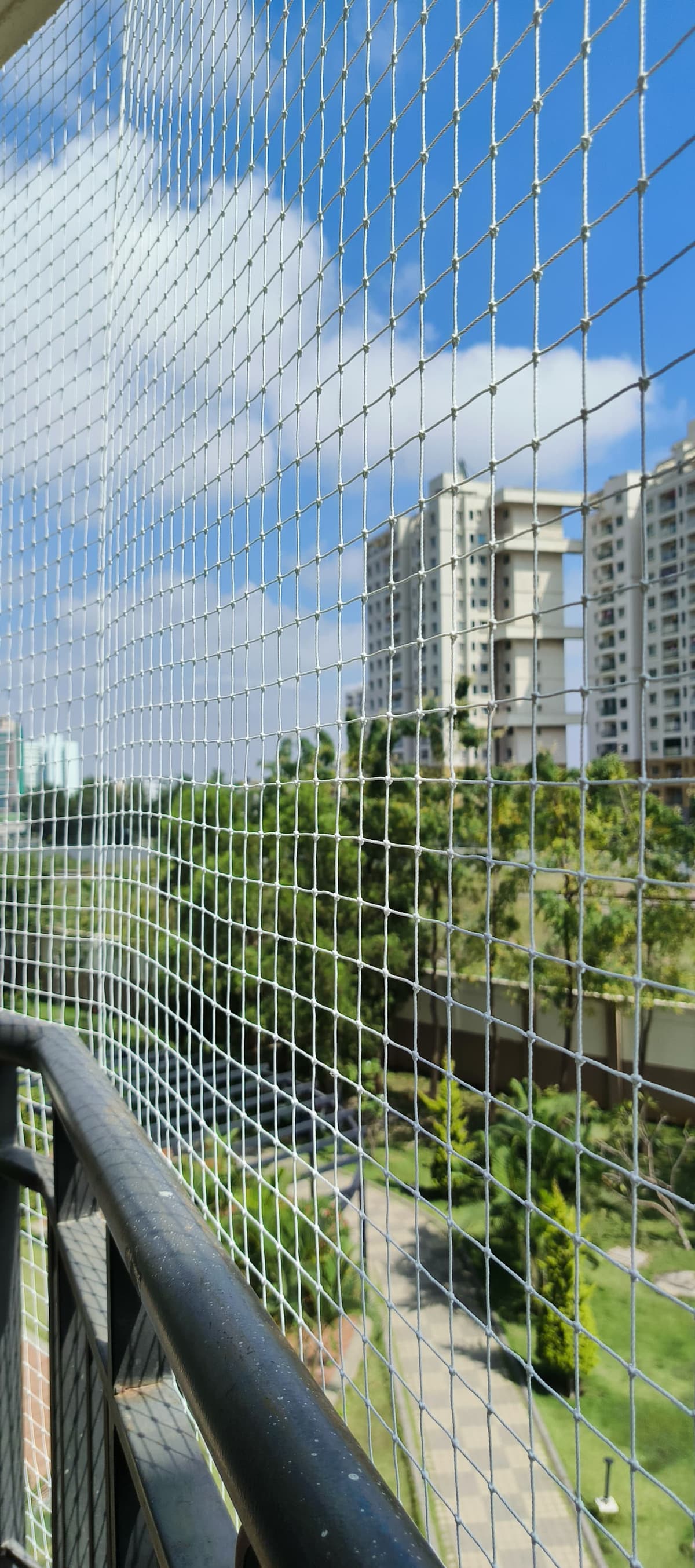
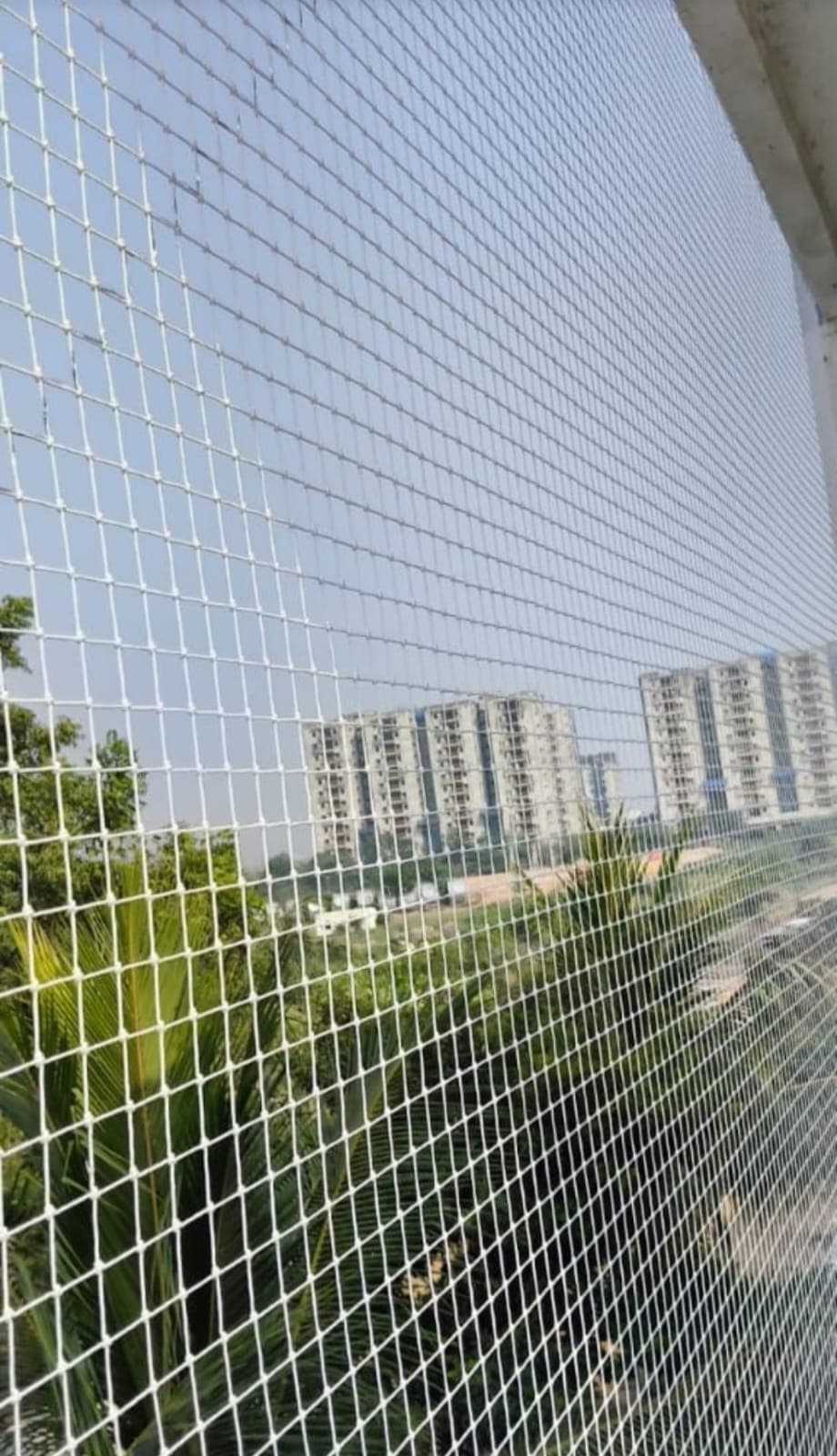
Invisible grills favour a slimmer look and are often chosen where view and ventilation matter alongside fall protection. Safety nets favour broader coverage and are frequently chosen for bird control or flexible barrier needs. Some homes use different products on different openings. Compare after seeing the actual railings rather than deciding from social media alone.
Utility balconies with ducts and outdoor units often need more custom cutting for nets, or careful returns for grills. Living balconies may prioritise appearance. Write the purpose on each photo you send during enquiry so advice stays specific.
In coastal and near-coastal localities, moist air and salt film can stress ordinary fasteners faster. Prefer corrosion-conscious components and wipe fittings periodically. Inland homes still face UV and rain, so outdoor systems need seasonal visual checks everywhere in the state. After storms, inspect for sagging nets, loose end caps or shifted hooks sooner rather than later.
Avoid harsh acids and abrasive pads on stainless or coated parts. Mild soap, soft cloths and early reporting of damage are more useful than aggressive cleaning once a year. Small repairs prevent larger failures.
Clear stored items from edges, note society rules, and keep pets away during visits. Share floor level, landmark and priority openings. Ask for a quotation that lists scope, material direction and exclusions. Keep a responsible adult available on installation day for access decisions.
After handover, store any care notes where the household can find them. Revisit the gap walk every few months — furniture moves, and new habits appear. Balcony safety is a living practice supported by good products, not a one-time purchase that ends responsibility.
This week: complete the gap walk, move climb aids, photograph openings, and list child or pet priorities. Next: enquire with your city or area details, schedule measurement, and approve a clear scope for the highest-risk openings. Ongoing: supervise, keep edges clear, clean lightly, and inspect after severe weather.
If your locality name is missing on a website list, still enquire with the real area name. Service-area businesses confirm feasibility per site. Honest planning beats rushed hardware every time.
Festival periods and school holidays often mean more children on balconies at once. Pre-holiday is a good time to finish incomplete edge coverage rather than waiting for an incident scare. Monsoon months add slippery tiles and stronger winds; check that outdoor furniture cannot become a climb assist when pushed toward railings to stay dry.
Summer heat drives families outdoors in the evening. That is healthy, but it also increases the hours when supervision must stay intentional. If guests are unfamiliar with your flat’s edges, a quick verbal reminder plus physical barriers works better than assuming everyone shares your caution.
After renovation dust settles, re-check whether new cabinets, benches or planter boxes have recreated footholds. Balcony safety is dynamic because homes keep changing. A product installed last year still needs habit support this year.
Many apartment associations want clarity on drilling, working hours and debris handling. Prepare a short description of the planned work and preferred slots. Early communication reduces day-of conflicts. If your society has standard guidelines for grills or nets, share them during enquiry so recommendations fit the rules you must live with.
Neighbours may worry about noise or shared facade appearance. Courteous notice helps, especially in tightly packed towers. Where adjoining balconies create shared bird ledges, coordinated netting can work better than a single isolated face — but only when permissions and ownership boundaries allow.
Keep approvals and quotations together. If committee members change, written scope prevents confusion about what was authorised. Practical paperwork is part of safety planning in multi-family buildings.
In the first month, watch for settling issues: slack lines, soft net spots, or end fittings that mark walls oddly. Report early. In the second month, confirm that furniture habits have not drifted back toward the edge. In the third month, do a calm full-perimeter walk with the same notepad you used before buying.
Teach temporary caregivers and grandparents the same rules you follow. Product knowledge often stays with the person who met the installer, while daily supervision rotates. A two-minute household briefing closes that gap.
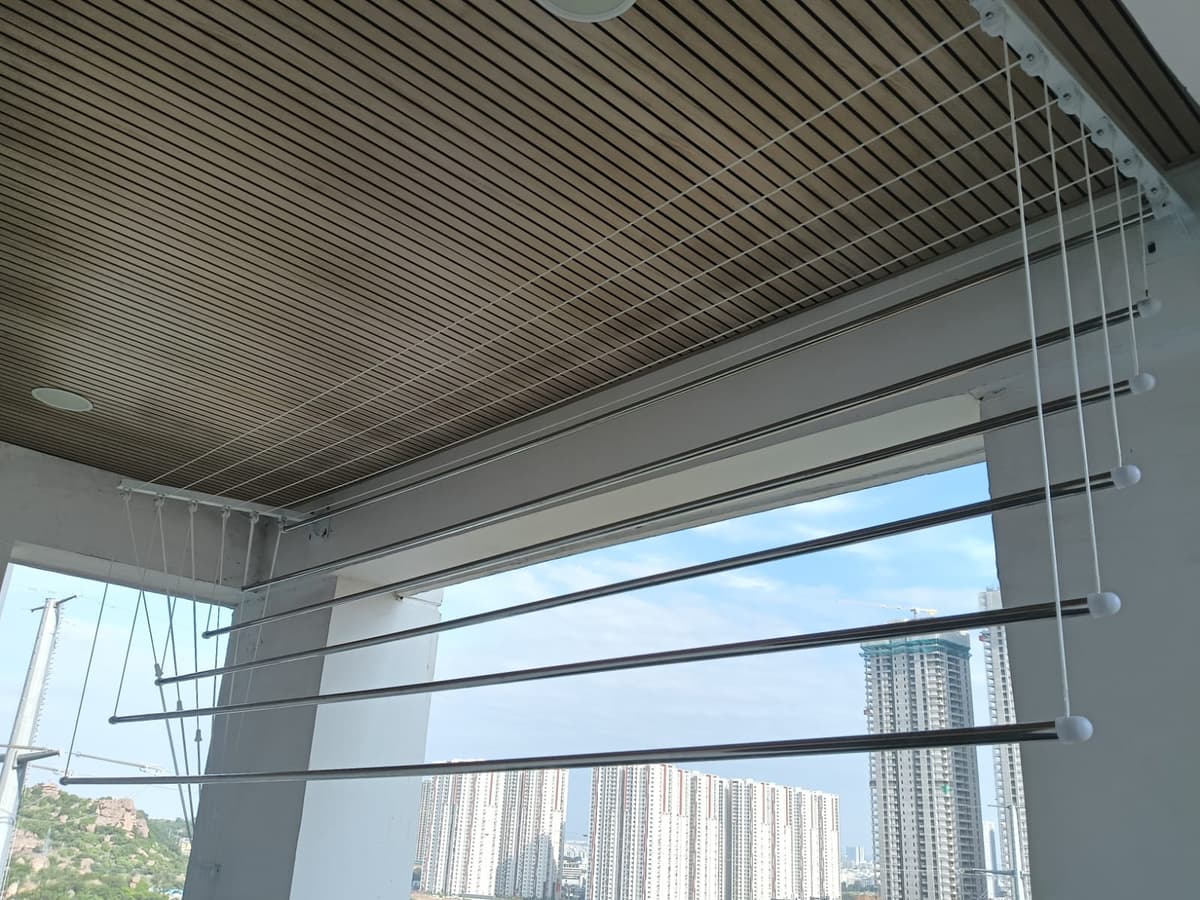
If you later add a cloth drying hanger, revisit edge clearance so laundry routines do not push people or pets toward unprotected corners. Safety tips remain useful only when they stay connected to how the balcony is actually lived in.
Revisit the plan after a new child starts walking, after adopting a pet, after balcony renovation, or after noticing bird activity on previously quiet ledges. Life changes faster than hardware catalogues. A short seasonal reminder on the family calendar is enough to keep the gap walk alive.
If something feels uncertain — spacing, a soft parapet, or a window you forgot — request measurement rather than guessing from memory. Practical balcony safety in Andhra Pradesh is built from repeated small attentions supported by well-chosen installations, not from a single anxious purchase.
Share this article with anyone who regularly supervises children in your home so the gap-walk habits are not locked inside one person’s head. Consistent family practice, honest service-area installation support, and complete edge coverage together do more for everyday safety than any single product slogan. When you are ready, move from tips to measurement so recommendations match your actual railings, not a generic checklist alone.
Share your location, photos and whether bird control, fall protection or both are the priority. We will outline measurement and quotation next steps.
Pricing depends on measurements, material grade, required spacing, installation complexity, building height, site accessibility and total project quantity.