Loading page…
Loading page…
Cloth drying hangers help apartments and homes dry clothes efficiently using ceiling, pulley, wall and balcony systems.
Quotation after site review · Material and spacing confirmed on measurement
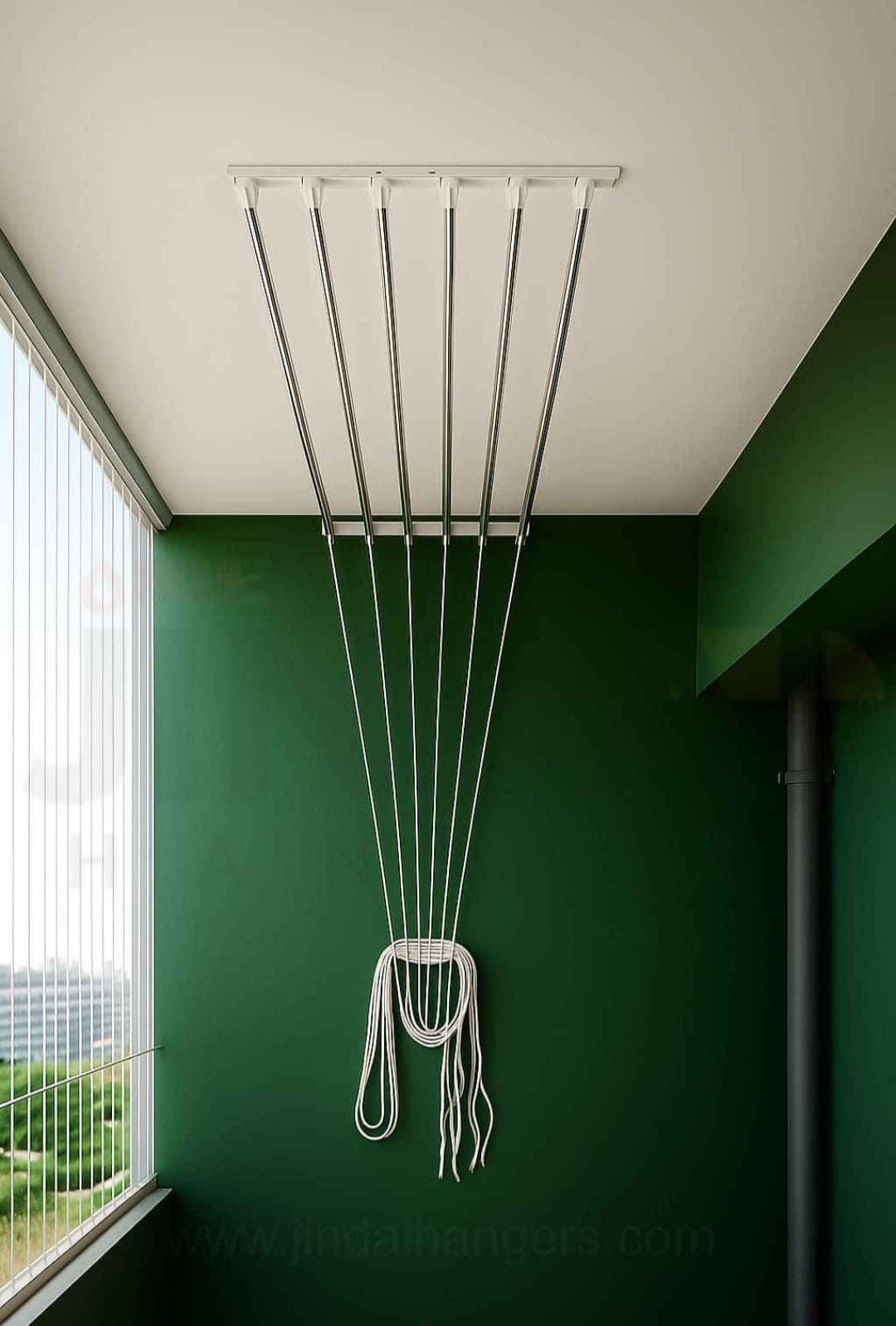
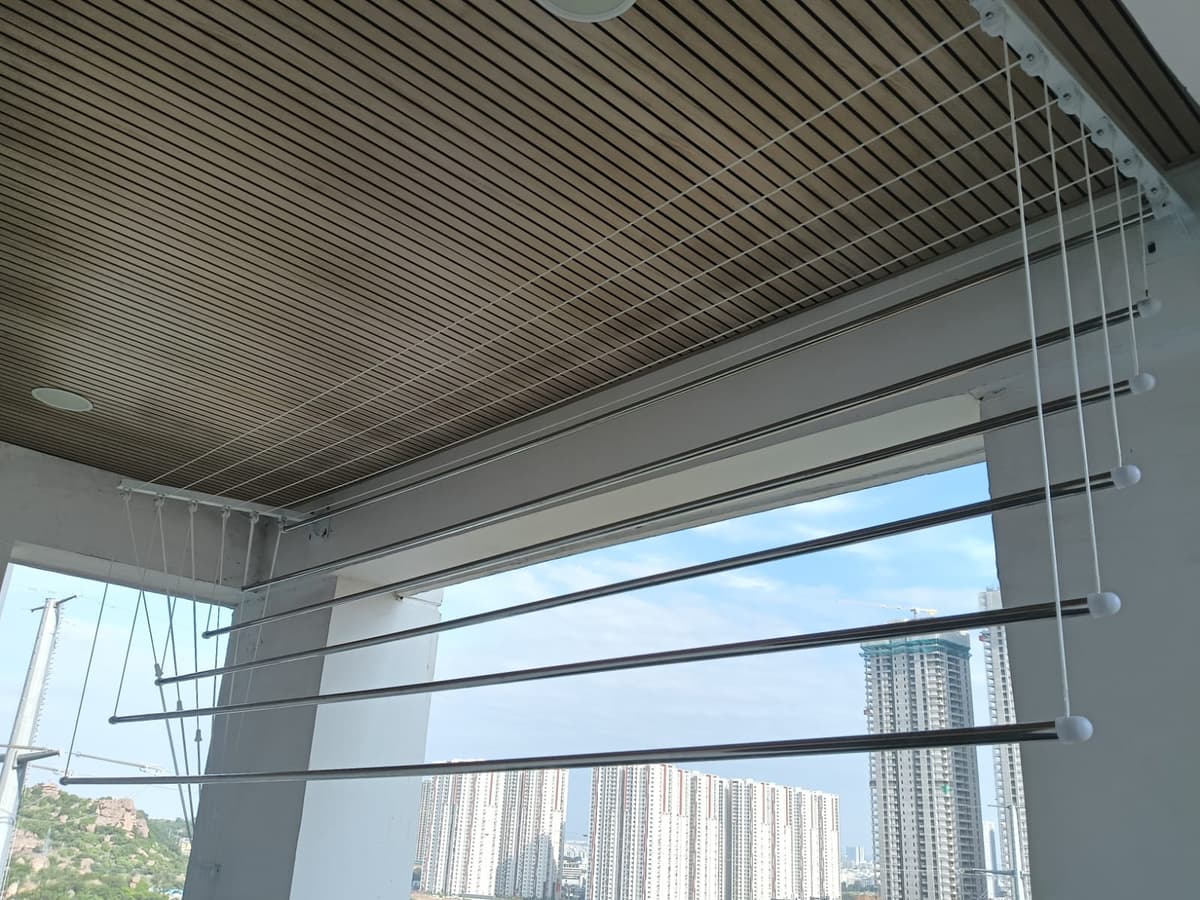
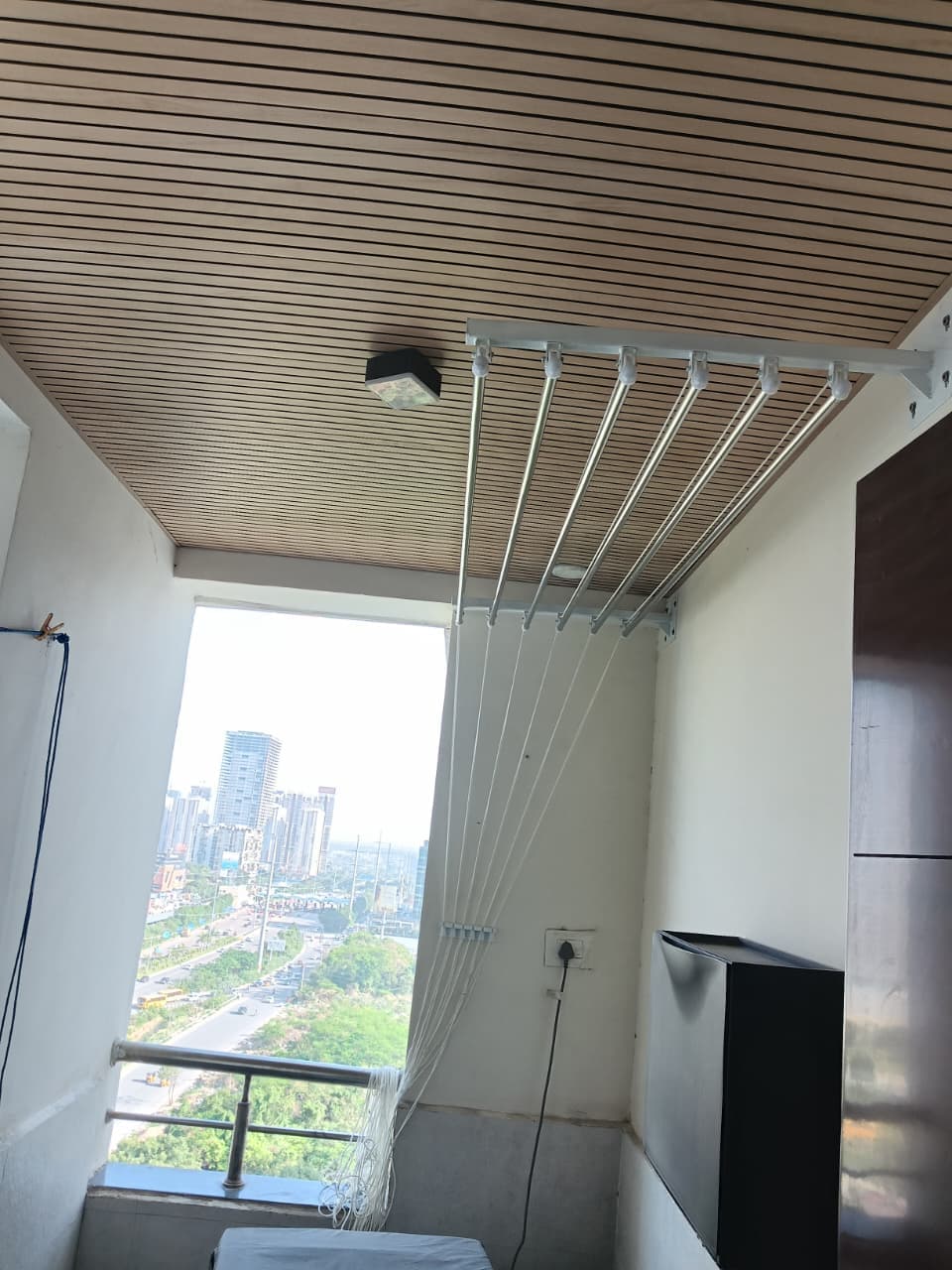
Cloth drying hangers turn tight Andhra Pradesh balconies and utility corners into organised drying spaces without surrendering the whole passage to a permanent clothes jungle. Ceiling-mounted systems, pulley hangers, wall-mounted rods and stainless-steel balcony setups are planned around how a household actually washes and airs clothes each week. Apartments in busy cities often need space-saving layouts that lift wet clothes out of the walkway; independent houses may prefer longer runs along utility walls. Manual lifting pulley designs are popular where residents want loading at a comfortable height before raising the frame for airflow. Ceiling compatibility, safe load habits and rust-resistant material direction matter especially in humid and coastal localities. We measure custom spans, check fixing surfaces, and avoid forcing a standard kit into an L-shaped or obstructed balcony. Pricing depends on measurements, material grade, required spacing, installation complexity, building height, site accessibility and total project quantity. A good hanger installation feels sturdy in daily use, cleans easily, and respects society rules on drilling and work hours.
We provide installation services across Andhra Pradesh subject to site accessibility, measurements, technician availability and project requirements. Listing a place does not mean we operate a branch there.
Utility balconies are often too narrow for floor stands. Wall or ceiling hangers free walking space while clothes dry.
Railing drying looks untidy and can be unsafe on upper floors. Dedicated hangers move laundry to a planned zone.
Pulley systems let residents load at hand level and then lift the frame for better airing.
Humidity and coastal air stain ordinary rods quickly. Stainless-steel oriented options are discussed for better outdoor behaviour.
Custom measurement can place rods where they dry more clothes without blocking doors.
Not every false ceiling or slab zone is suitable. Inspection prevents unsafe fixing choices.
Ad-hoc nails and thin ropes fail under wet clothes. Proper hangers spread load through planned anchors.
Neat hanger systems help households keep exteriors tidier compared with random balcony clutter.
Most common setting for ceiling, pulley and compact wall systems in city flats.
Suitable when access, wind exposure on open balconies and society rules are reviewed.
Longer wall runs or courtyard-adjacent drying zones can be planned with custom spans.
Service verandas and rear balconies often accept neat stainless-steel drying layouts.
Space-saving hangers help when every square foot of balcony matters.
Appropriate with rust-aware materials and a simple wiping routine after salty or rainy weather.
Typical installation contexts across homes and institutions in Andhra Pradesh
Slab or ceiling anchored systems that keep the floor clear for movement and storage.
Manual lifting frames for easier loading and higher airing position after clothes are hung.
Side-wall rod systems where ceiling fixing is unsuitable or balcony depth is limited.
Stainless-oriented rods and frames chosen for humid and coastal-exposed utility areas.
Layouts measured to balcony width, railing line and door swing clearances.
Flat-focused installations coordinated with society drilling rules and compact utility spaces.
Hand-operated systems without needing electrical power—practical for most households.
Space-saving fold-away styles considered where the balcony doubles as storage or seating space.
Clothes move onto planned rods instead of chairs, railings and random nails.
Ceiling and foldable options help keep the balcony passage usable.
Raise-and-lower operation reduces stretching to high fixed lines.
Measurement-led rods fit L-shapes and obstructed utilities better than one-size kits.
Stainless-oriented systems are discussed for longer outdoor dignity in coastal and humid belts.
Daily drying continues during power cuts when the mechanism is manual.
Neat hangers reduce facade clutter compared with ad-hoc clothes lines.
Wiping rods and checking anchors is simple household maintenance.
Ceiling, wall, pulley and balcony-focused layouts selected after inspection.
Compact and foldable approaches considered for narrow utility balconies.
Pulley travel checked for smooth raising and lowering during handover.
False ceilings and uncertain slabs are reviewed before drilling.
Rod length and fixing positions follow the actual balcony geometry.
Fasteners and frames discussed with humidity and coastal air in mind.
Rods and frames set to look neat and drain drips predictably.
Load habits and cleaning steps explained in plain language.
Cloth drying hangers typically use metal rods or frames with wall plugs, ceiling anchors, brackets and—for pulley models—rope or cable hardware that must travel smoothly. Stainless-steel oriented components are often preferred for open balconies in humid Andhra Pradesh weather, while indoor utility rooms may allow a wider material conversation. We describe what carries the clothes, what carries the load into the wall or slab, and what needs wiping after rain. Exact thickness, grade numbers or load ratings are confirmed for your fixing surface rather than advertised as universal facts.
Ask whether the visible rods, hidden brackets and fasteners are suitable for your balcony’s rain and coastal exposure. A shiny rod with weak rusting screws is a poor combination. If a stainless grade is mentioned, treat it as a point to verify against humidity and cleaning habits—not a promise that maintenance is unnecessary. Honest installers talk about realistic household loads instead of dramatic weight claims.
Exact material grade, cable or net spacing, fixing hardware and finish options are confirmed after on-site measurement. Published specs are indicative and may change based on building condition and safety requirements.
Measure balcony or utility length, depth and clear ceiling height.
Note beams, lights, fans, AC units and door swings that obstruct rods.
Check whether the ceiling is RCC slab, boarded false ceiling or uncertain construction.
Photograph wall and ceiling zones proposed for anchors.
Decide whether you prefer ceiling, wall, pulley or foldable operation.
Estimate how many garments you typically dry after a full wash.
Confirm society permissions for drilling if required.
For L-shaped balconies, sketch both legs so custom runs can be planned.
Confirm hanger type, span and fixing surfaces after measurement approval.
Protect nearby finishes from dust where practical.
Mark level lines for rods, brackets or ceiling anchors.
Drill and install wall plugs or ceiling anchors suited to the substrate.
Assemble frames, rods or pulley hardware to the planned layout.
Align the system so it sits level and clears obstacles.
Test pulley travel or foldable movement through full range.
Tighten fasteners and recheck for unusual play or rattle.
Clean dust and hand over basic operating and care instructions.
Note any future extension points if the household may add a second run later.
Inspect balcony or utility geometry and daily circulation space.
Assess ceiling and wall suitability for the preferred hanger type.
Identify rain exposure and coastal influence on material advice.
Review obstacles that force custom spans or split runs.
Confirm society constraints on drilling and work hours.
Discuss realistic laundry load habits with the resident.
Recommend the simplest safe system that meets the drying need.
Pricing depends on measurements, material grade, required spacing, installation complexity, building height, site accessibility and total project quantity. Fixed package prices are not shown because every site differs.
Common cloth drying hangers applications planned after site measurement.
Ceiling-mounted cloth hangers use overhead space for efficient drying in flats and utility areas.
Wall-mounted cloth hangers fit side walls in balconies and utility spaces where ceiling fixing is difficult.
Pulley cloth hangers make it easy to raise and lower laundry lines in balconies and utility areas.
Stainless-steel cloth hangers offer rust-resistant drying solutions for humid and coastal areas.
Balcony cloth hangers help families dry clothes outdoors while keeping the home clutter-free.
Apartment cloth hangers are designed for compact flats needing smart drying solutions.
Manual cloth hangers offer simple fixed or adjustable lines for everyday home drying.
Foldable cloth hangers save space by folding away when the balcony or passage is in use.
Cities & areas
Open the cloth drying hangers page for your city or locality. Coverage is confirmed after site review—listing a place does not mean we operate a branch there.
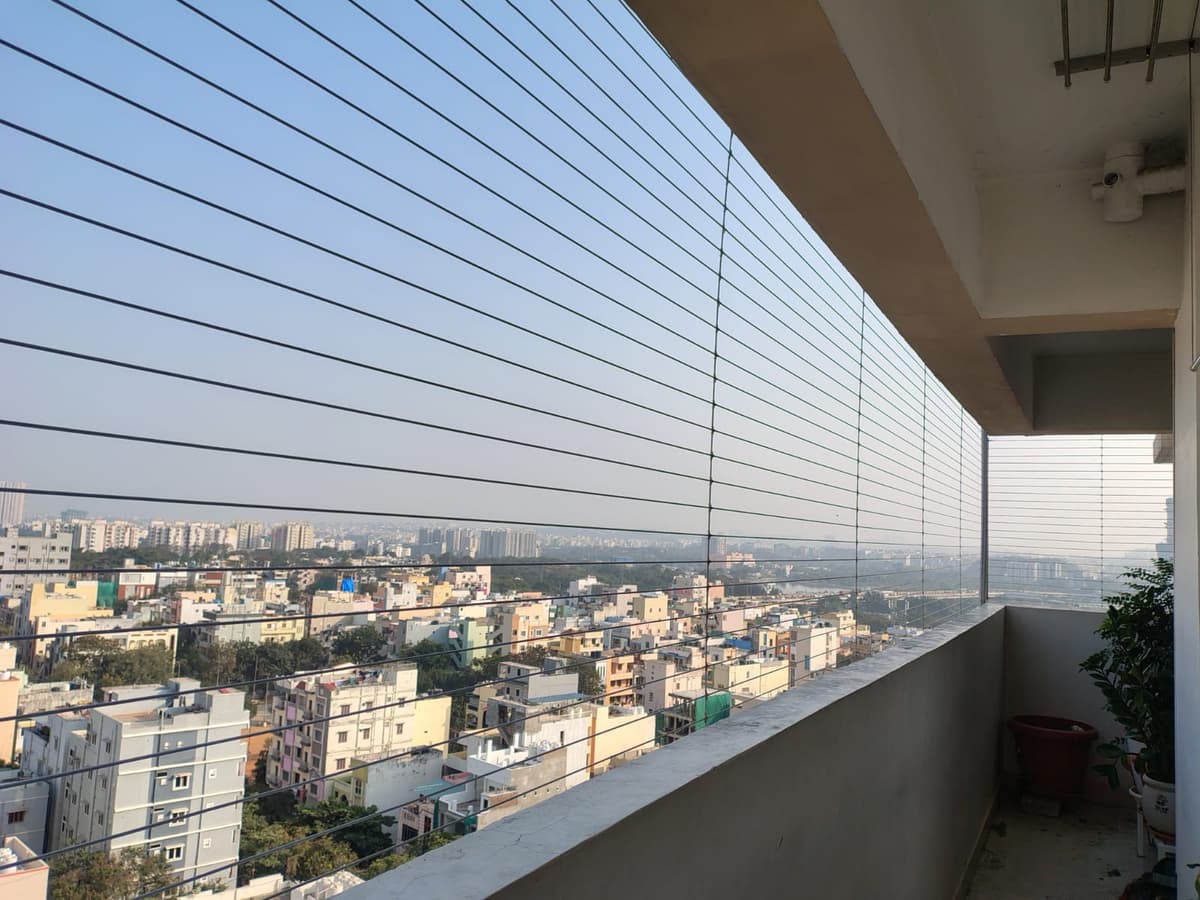
Invisible grills provide modern balcony and window safety with stainless steel strength and minimal visual obstruction.
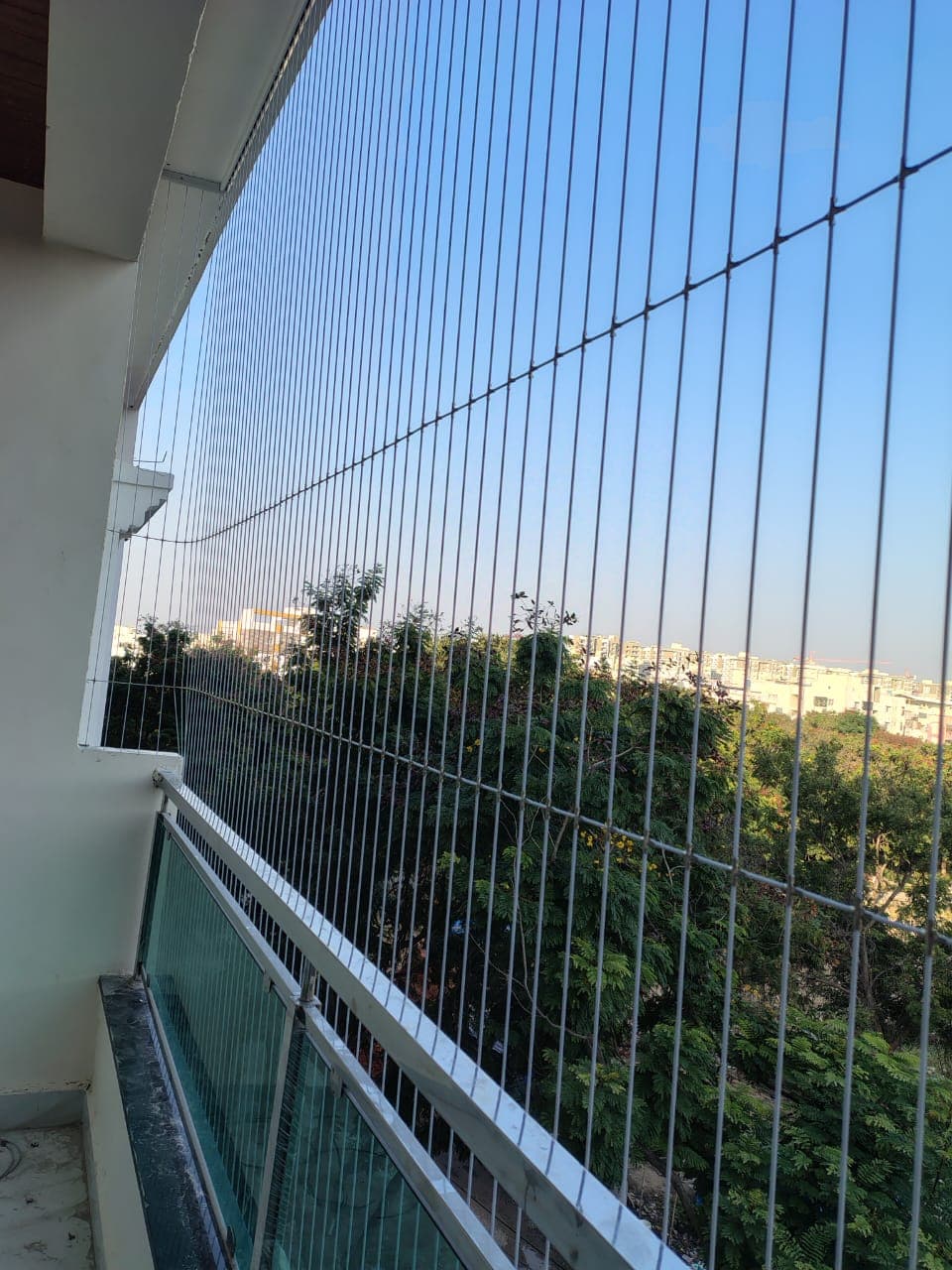
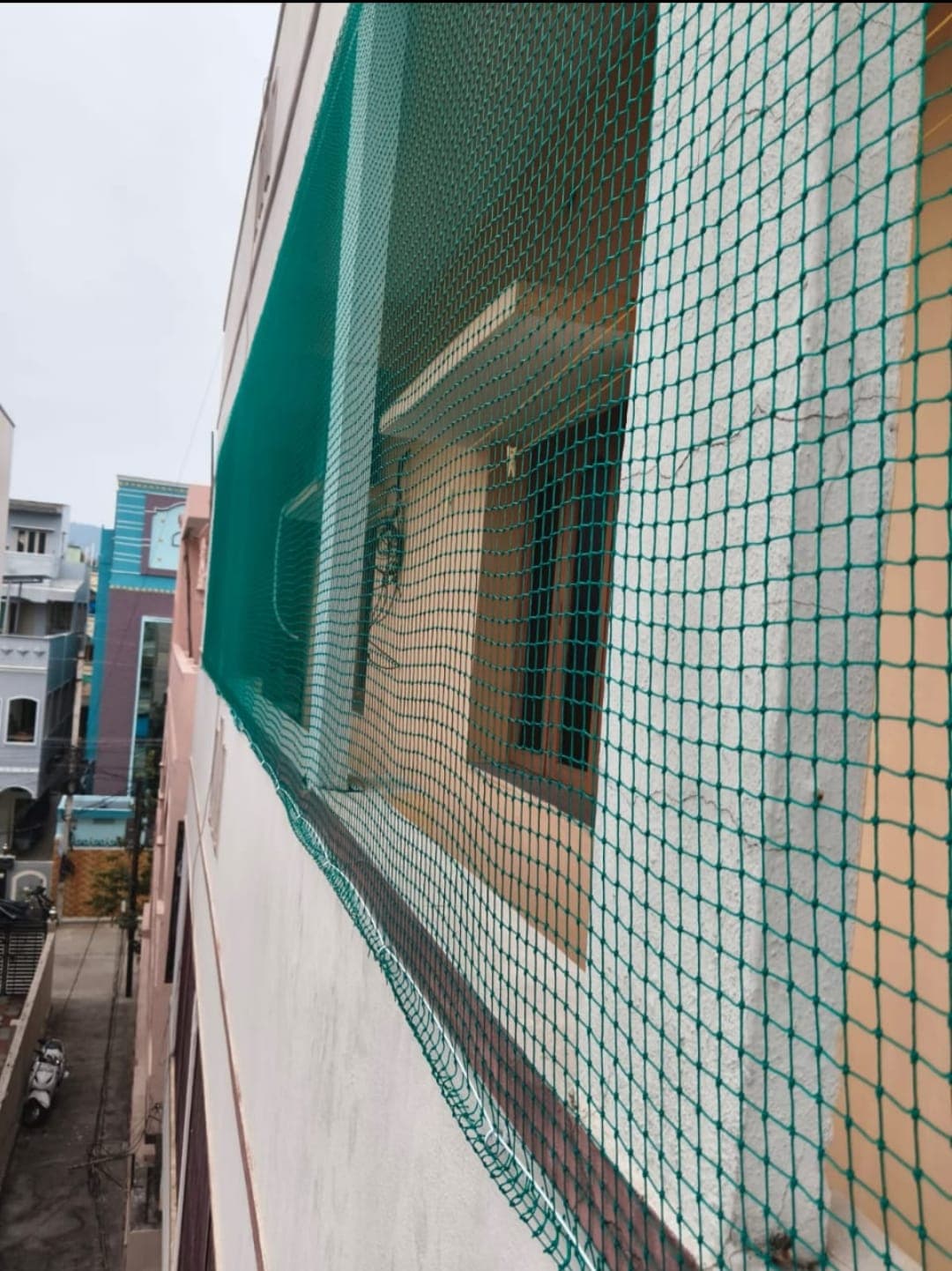
Safety nets protect balconies, ducts, terraces and windows from fall risk and bird entry across homes and buildings.
Sports nets enable safe cricket, football and multi-sport practice in homes, schools and academies across Andhra Pradesh.
Practical guidance related to cloth drying hangers planning and installation.
Read guidePractical guidance related to cloth drying hangers planning and installation.
Read guidePractical guidance related to cloth drying hangers planning and installation.
Read guideUnderstand what affects installation cost before requesting a quote.
Read guideMaterial and specification notes for outdoor installations.
Read guideWhat to expect from measurement through handover.
Read guideUsage and maintenance safety information for homes and practice areas.
Read guideShare your city, property type and approximate measurements for Cloth Drying Hangers. We will confirm service availability and guide you through the next steps.
Pricing depends on measurements, material grade, required spacing, installation complexity, building height, site accessibility and total project quantity.