Loading page…
Loading page…
Guide
How to choose the right invisible grill specification for balconies, windows and terraces in Andhra Pradesh.
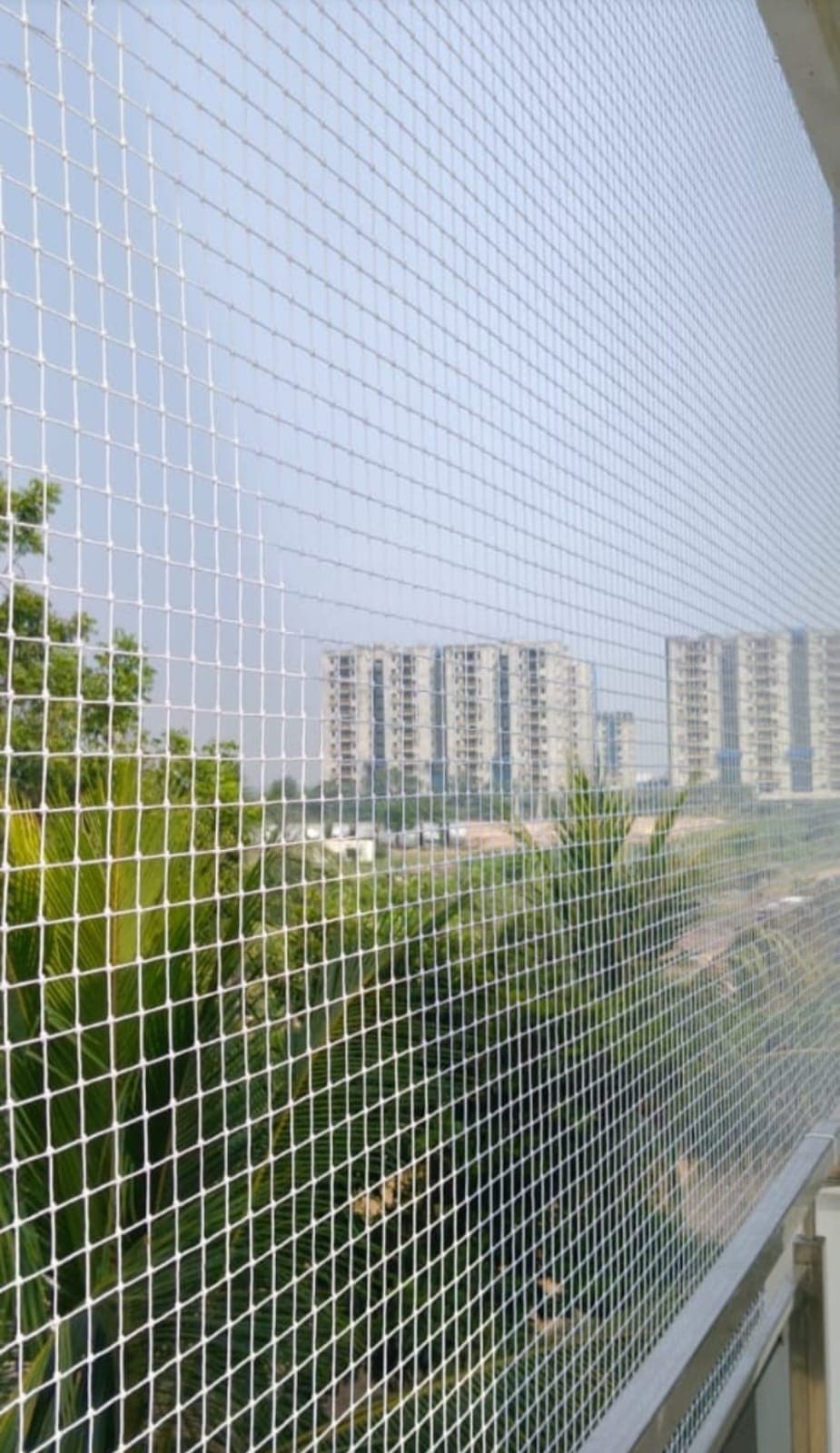
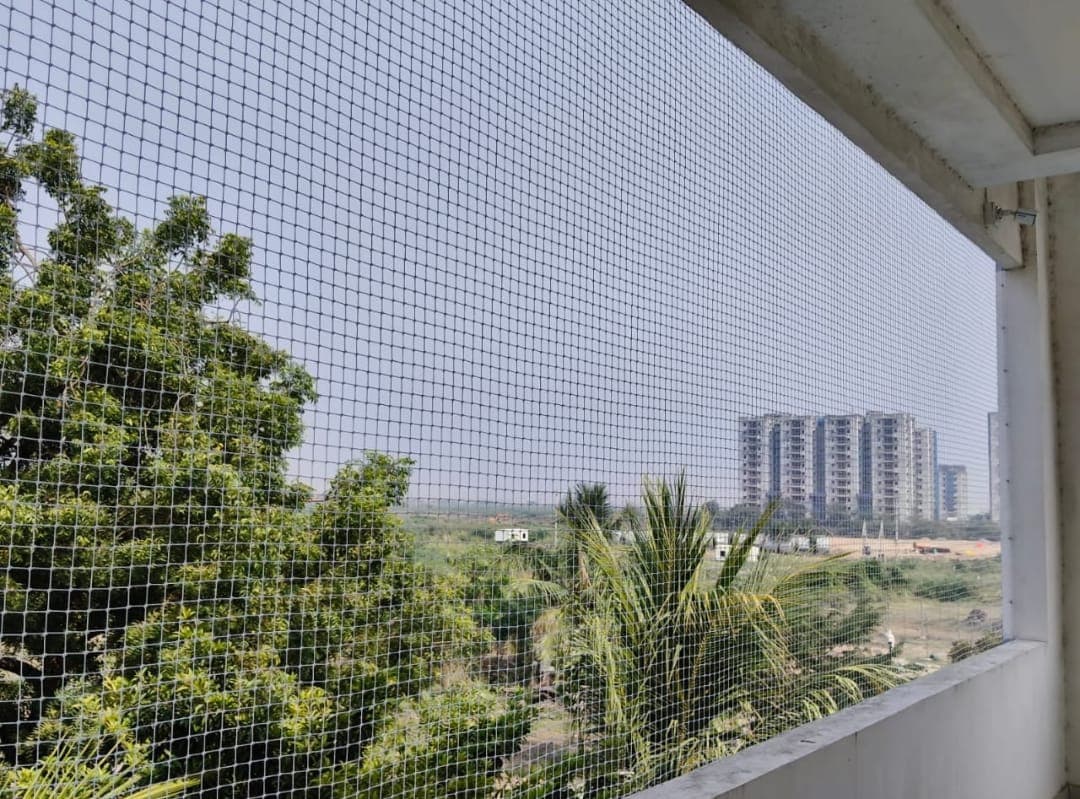
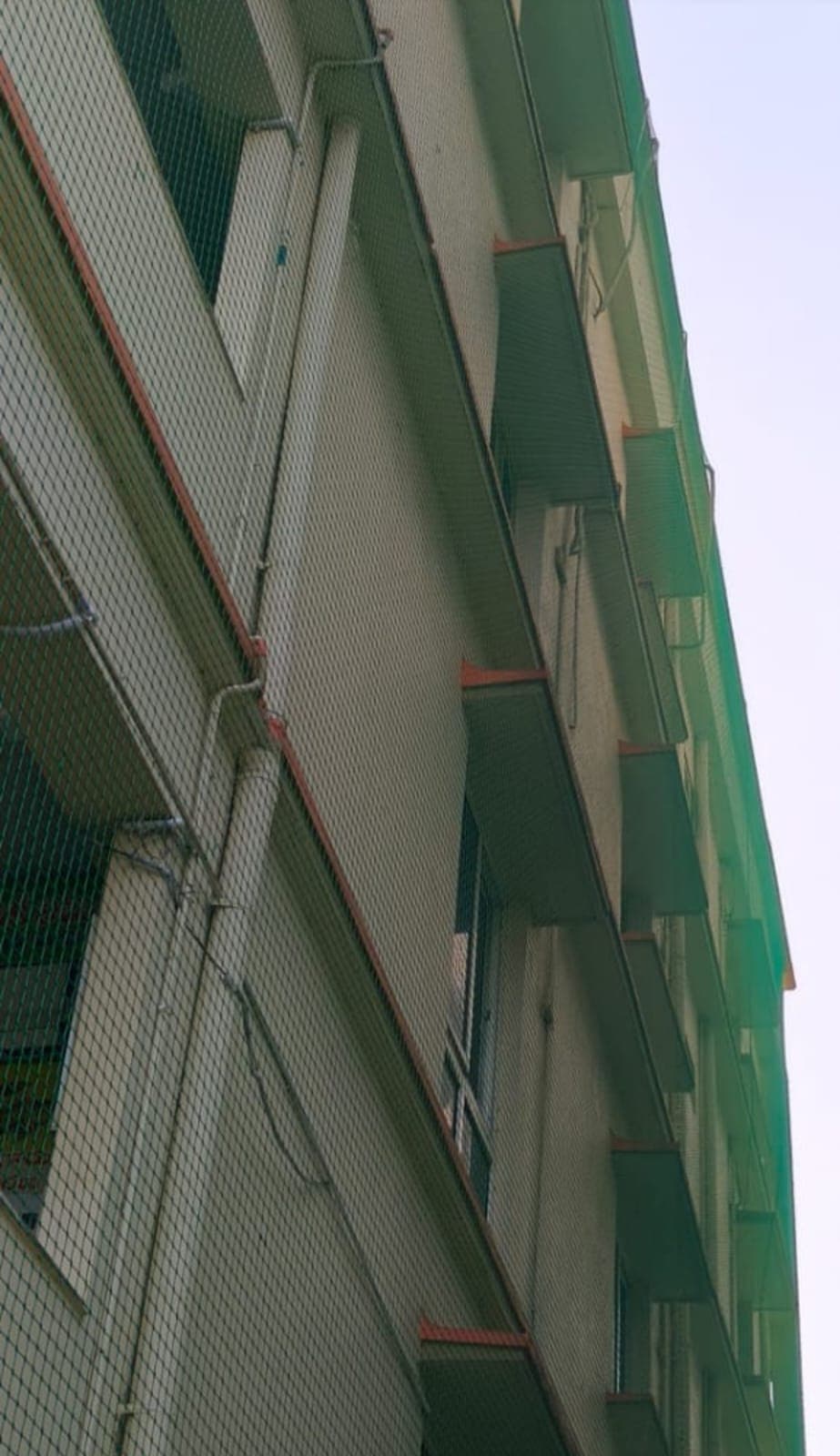
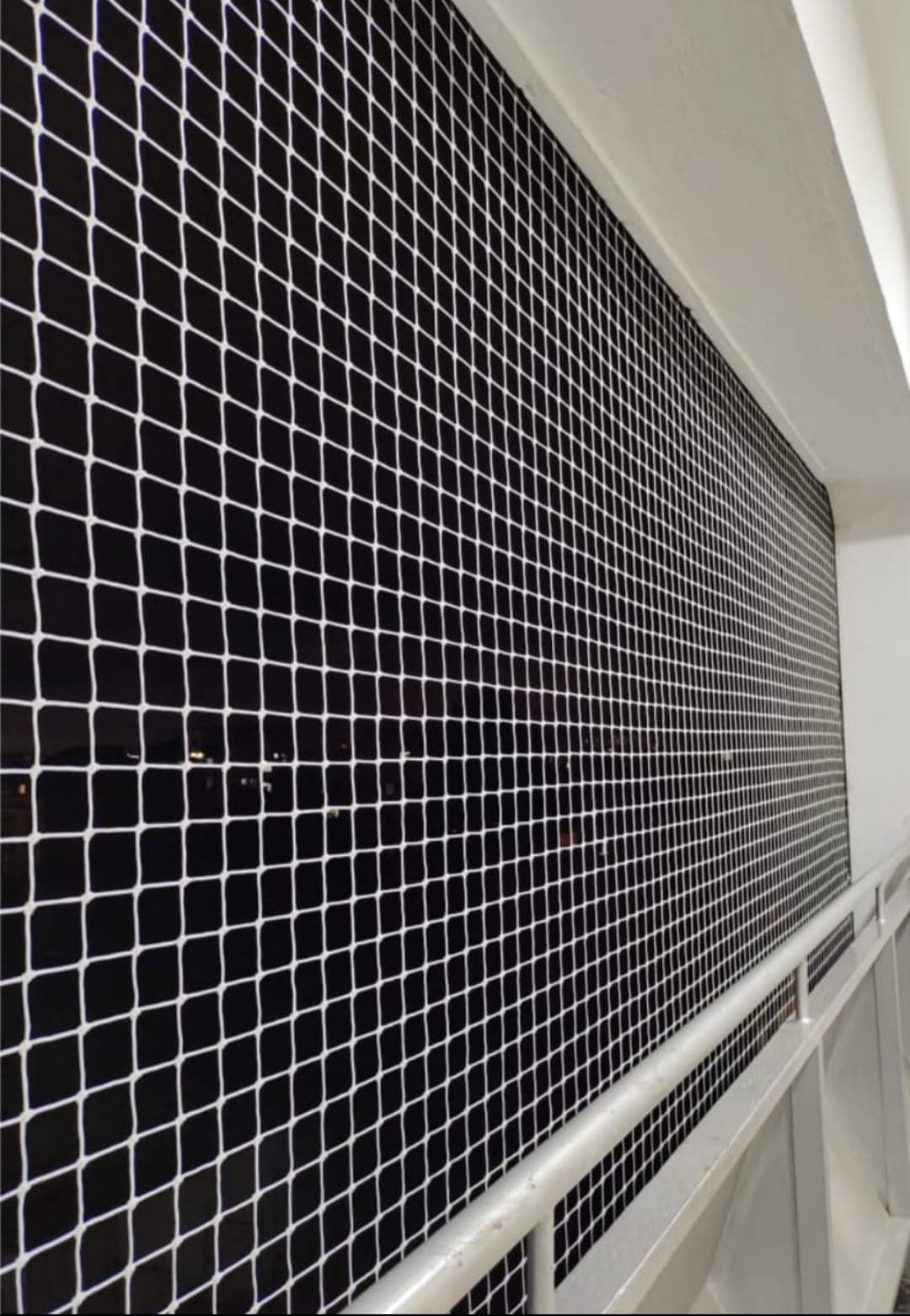
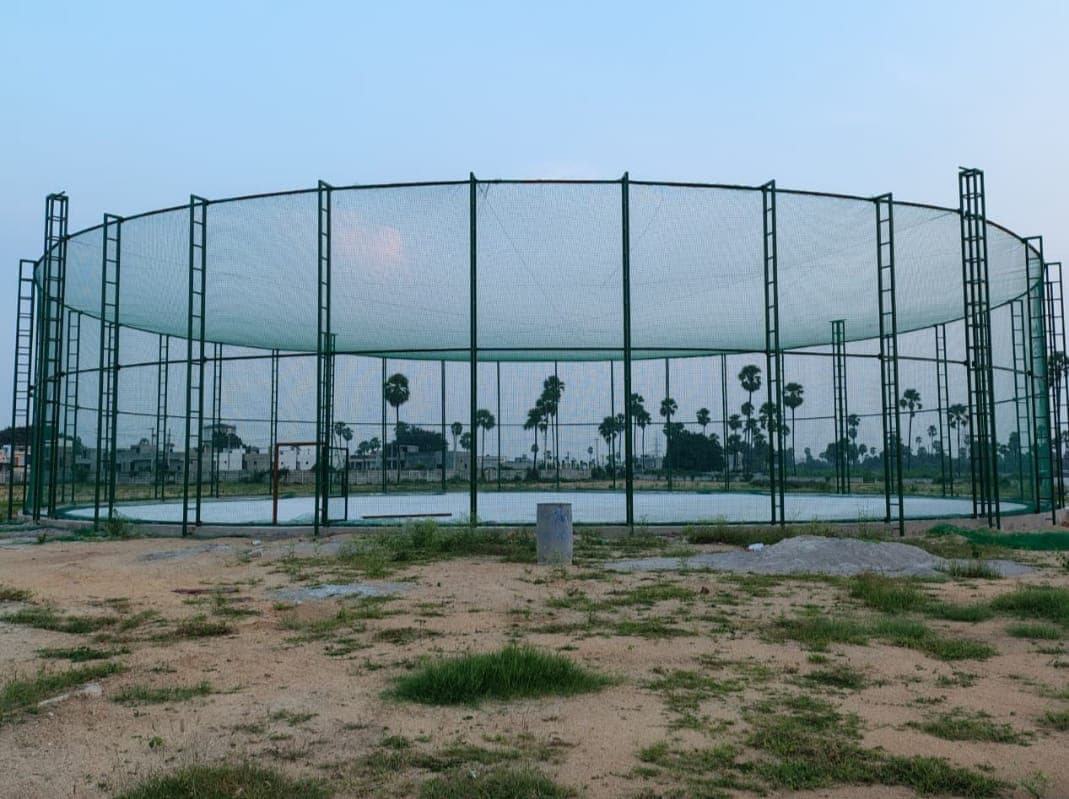
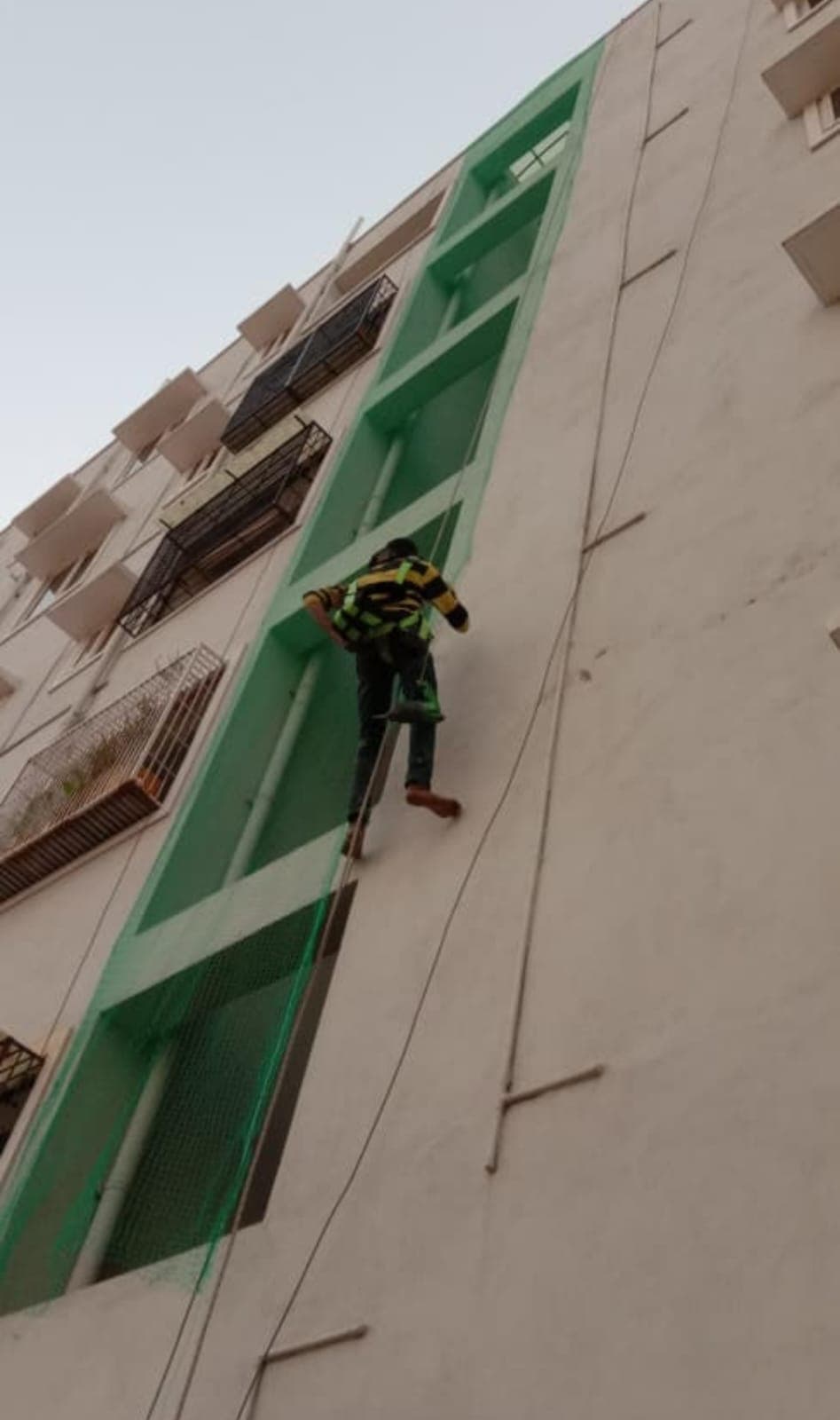
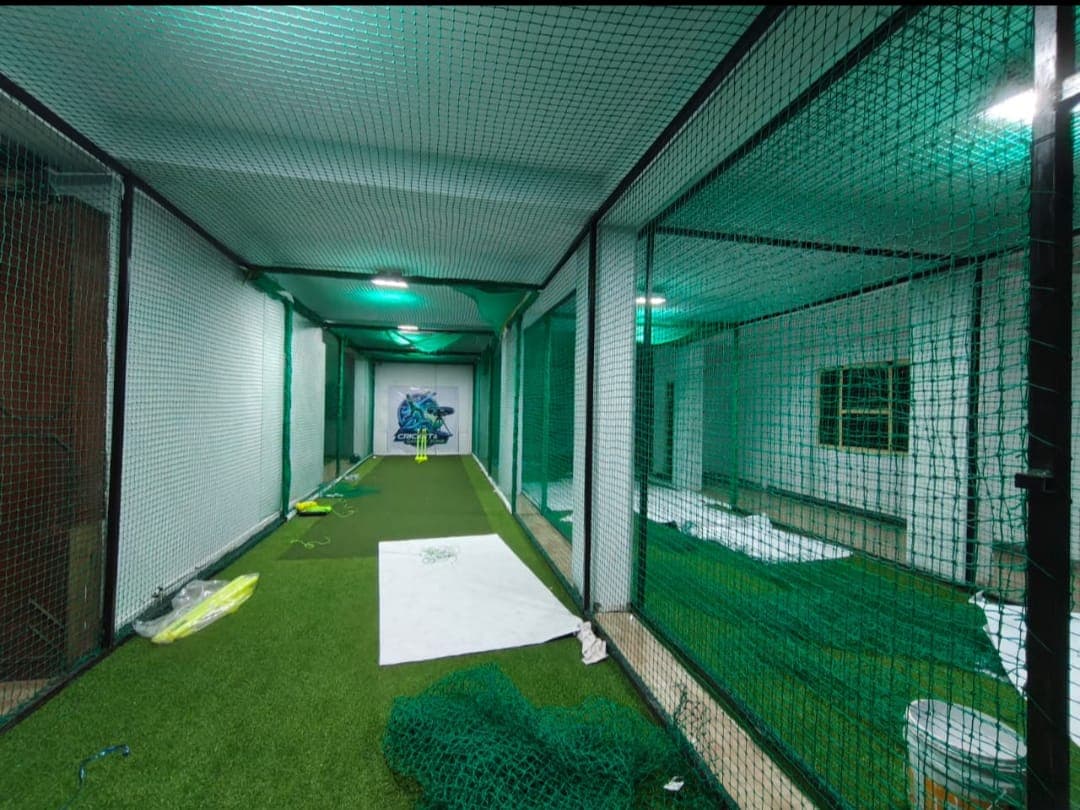
This guide expands on practical decisions for households and facility managers across Andhra Pradesh. Use the sections below to prepare for measurement and quotation. Service availability is confirmed per site — listing a locality on this website does not mean a permanent office exists there.
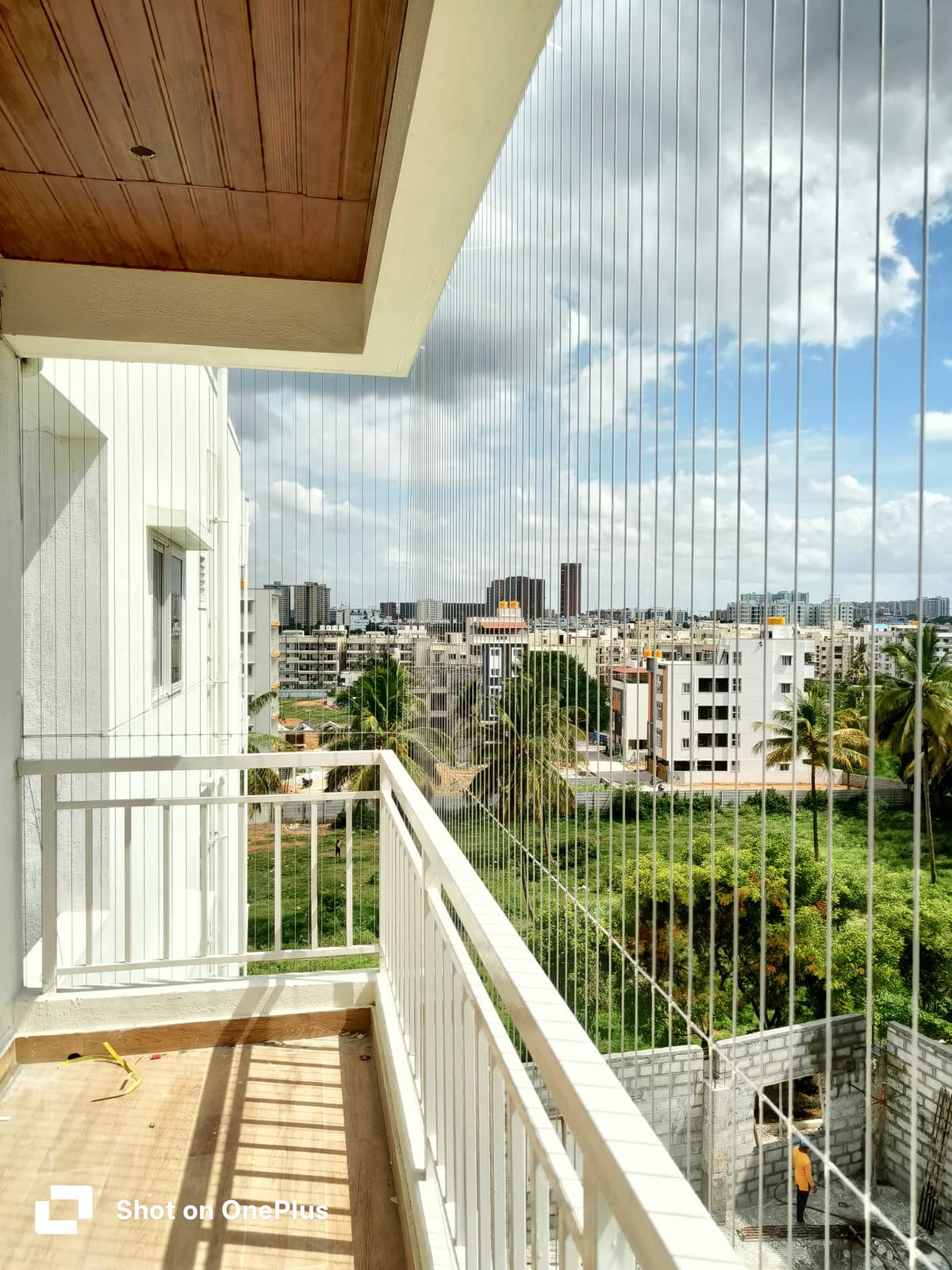
Invisible grills are requested most often by families who want balcony or window fall protection without the heavy visual block of traditional iron grills. In Andhra Pradesh, that request appears in high-rise apartments, gated-community flats, independent houses with open stair voids, and terrace edges where children or pets can reach a drop. This guide helps you prepare useful questions before measurement so your quotation compares like with like.
Buying an invisible grill is not the same as buying a decorative railing accessory. The system has to resist push loads, hold tension across a span, and stay serviceable through sun, rain and, in coastal belts, moist air. A neat photograph from another city does not guarantee the same specification will suit your parapet, railing pitch or society drilling rules. Treat this page as a preparation checklist, then confirm details on site.
Start with the behaviour you need to change. Are toddlers using a living-room balcony? Do pets sleep near an open edge? Is the concern mainly windows that open wide on upper floors? Each answer nudges spacing and coverage priorities. Child-focused work often prefers closer wire spacing and complete corner treatment. Pet-focused work may also need attention to climbable side gaps and door habits during cleaning.
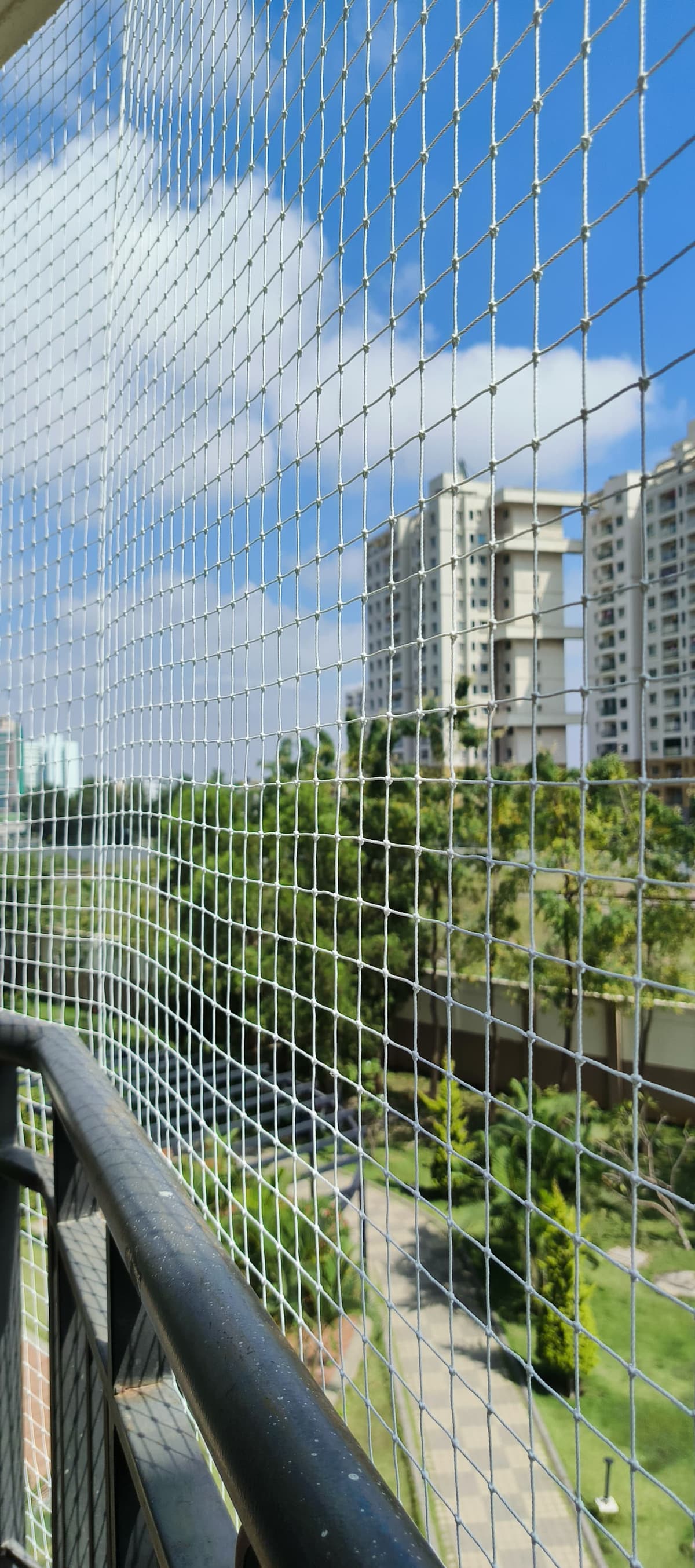
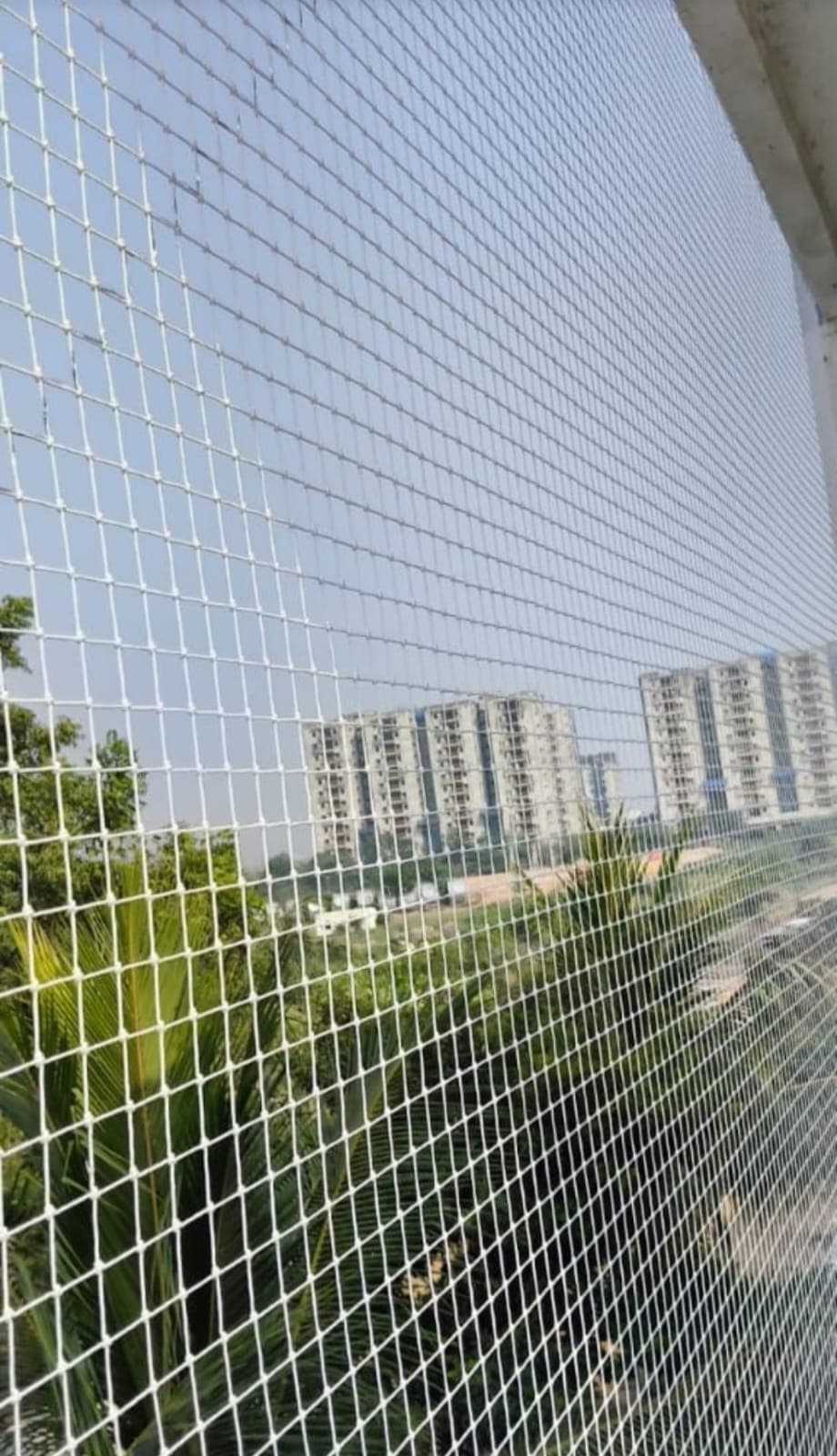
Also separate security goals from fall-protection goals. Invisible grills reduce the chance of falling through an opening; they are not a substitute for locked doors, CCTV or heavy security grills where those are the real requirement. Being honest about the job prevents overbuying or underprotecting. If both bird control and fall protection matter, you may compare invisible grills against safety nets, or plan different products on different openings of the same home.
Balconies are the most common request, but they are rarely identical even inside one flat. A utility balcony with washing machines and outdoor AC units creates cut-outs and awkward returns that a clear living balcony does not. Windows that open onto a drop, staircase sides without solid balustrades, and terrace edges used for drying or play should be listed separately. A good buying process ranks openings by risk rather than assuming one product length covers everything.
Walk the property with a notepad. Mark railing gap width, parapet height, climbable furniture near edges, and any side wall that leaves a passable gap. Photograph each opening from inside and, if safe, from an angle that shows corners. These notes help you compare quotations because vendors can no longer hide incomplete coverage behind a single per-square-foot figure.
Ask what forms the visible lines — stainless cable or rod systems — and what forms the less visible hardware: end fittings, anchors, frames and fasteners. Outdoor Andhra Pradesh exposure rewards corrosion-conscious choices. Ordinary mild-steel accessories paired with stainless faces can become the weak point. You do not need marketing brand names; you need clarity on what will be fixed into your wall or railing and how tension is maintained.
Spacing is a selection factor, not a universal constant. Closer spacing usually costs more material and labour time, but it may be the correct safety choice for young children. Longer spans may need different tension planning than short window openings. Corner posts, returns and alignment decide whether the finished edge still leaves a gap. If a quotation is silent on corners and cut-outs, ask before approving.
In taller buildings, access, wind exposure and association rules matter as much as the product catalogue. Some societies restrict facade drilling hours or require written permission. Lift booking for materials, terrace access routes and neighbouring flat sensitivities can affect schedule. Share these constraints during enquiry so the measurement visit is productive rather than exploratory only.
High-rise work also changes consequence thinking. An incomplete edge or a weak anchor is more serious where the drop is larger. That does not mean every upper-floor balcony needs the most expensive package by default; it means coverage completeness and fixing quality deserve explicit discussion. If external scaffolding or specialised access is required, that should appear in planning rather than as a surprise on installation day.
Coastal and near-coastal cities in Andhra Pradesh often combine humidity, salt-tinged air and strong sun. That environment stresses fasteners and neglected cleaning points. Inland cities still face UV and monsoon rain, so outdoor-rated thinking remains relevant statewide, but coastal homes should talk more openly about cleaning routines and component matching. Stainless systems are chosen for better resistance; they are not maintenance-free magic.
During buying conversations, ask how staining or surface contamination is handled, whether mixed metals are avoided at fixings, and what simple cleaning method is recommended after handover. Aggressive acids and abrasive pads are usually poor ideas. A soft cloth, mild soap and periodic visual checks after storms are more realistic habits for families.
Compare measured scope first. Which openings are included? Are returns, side gaps and AC cut-arounds listed? What spacing approach is assumed? What hardware is included? What is excluded — civil repair, society liaison beyond normal coordination, or later additions? Two numbers are meaningless if one quote covers three balconies completely and the other covers only the front face of one railing.
Also compare process quality. Does the vendor insist on measurement before final pricing? Will someone explain maintenance at handover? Are you being pressured by a fake statewide flat rate? Honest service-area installers confirm accessibility, technician availability and project requirements rather than promising a branch in every locality. Prefer clarity over theatre.
On installation day, keep children and pets away from tools and open edges, clear stored items from the work zone, and keep a responsible adult available for access decisions. Expect drilling noise where anchors are required. After fixing, check that tension looks even, end fittings are secure and corners do not leave obvious pass-through gaps. Ask for a short explanation of cleaning and what to report early if something loosens.
Aftercare is mostly visual. Wipe cables periodically, watch for looseness after severe weather, and avoid hanging heavy storage from the wires. Invisible grills reduce risk; they do not replace adult supervision or safe furniture placement. If you later renovate a balcony, treat reinstallation planning as new measured work because sizes and substrates may have changed.
Use this sequence: list risky openings, remove climb aids from edges, take photos, enquire with your city or area and priorities, complete measurement, approve a written scope, then schedule installation. If budget requires phasing, protect the highest-risk openings first rather than buying incomplete coverage on every balcony. Phased work is normal and should be re-measured when you add openings later.
If you are still unsure whether invisible grills or safety nets suit a particular opening, say so during measurement. View preference, bird pressure, pet behaviour and budget range all influence the recommendation. A good buying guide ends where site-specific advice begins — with clear photos, honest constraints and a quotation you can understand line by line.
Apartment buyers should treat association guidelines as part of the specification. Working hours, colour expectations, facade drilling limits and lift booking can all affect which installation method is practical. Share those constraints in the first enquiry so the measurement visit does not waste time rediscovering them. Neighbours on adjoining balconies may also influence whether external access is comfortable on a given day.
Independent houses and villas often present wider openings, staircase voids, courtyard edges and terrace returns. Those geometries can favour custom corner planning. Access may be easier than in a tower, but substrate quality still varies — older parapets and mixed renovations need honest anchor assessment. Do not assume a villa automatically needs a heavier package; match the product to the risk and the span.
Gated communities sometimes combine both worlds: house-like openings with association rules. Ask who must approve exterior work and whether common-area edges are in scope. Multi-opening homes benefit from a consistent specification across faces so maintenance and appearance stay coherent over time.
Prepare a short list: Which openings are phase one? What spacing priority do we have for children or pets? Are there society restrictions on drilling? Which corners worry us most? Do we also need bird control on utility faces? Writing these down keeps the visit focused and produces a quotation you can audit later.
Ask the technician to explain proposed anchor positions in plain language and to point out any surface that looks unsuitable. If an AC outdoor unit forces a cut-out or return, confirm how that edge will be finished. If a railing feels loose, ask whether grill work should wait until the railing is repaired — forcing premium cables onto a weak host structure is poor practice.
Before you leave the visit, confirm how the written quotation will list openings, material direction, inclusions and exclusions. Request clarity on what happens if you add a window later. Buying confidence comes from process transparency as much as from the look of sample photos.
The first mistake is choosing only by the lowest rate without checking spacing, hardware and corner coverage. The second is assuming one city-wide price applies to every balcony design. The third is postponing society permission until installation morning. Each of these creates avoidable friction and uneven safety outcomes.
Another frequent mistake is protecting only the front railing while leaving side returns and accessible windows open. Children and pets rarely respect the homeowner’s mental map of “the main balcony”. A related error is placing furniture back against the edge after installation, recreating climb risk the product was meant to reduce.
Finally, some buyers chase invented lifespan guarantees or fake local branch claims. Prefer vendors who explain corrosion factors, cleaning habits and service-area confirmation honestly. Durable buying decisions are built on measured scope and clear aftercare, not on slogans.
Share your city or area, photos and priorities. We will confirm whether measurement can be scheduled and outline a site-specific recommendation.
Pricing depends on measurements, material grade, required spacing, installation complexity, building height, site accessibility and total project quantity.